Nasheed calls on prosecutor general to appeal terror charges

Former president Mohamed Nasheed has called on the prosecutor general to appeal his terrorism conviction and 13 year jail term amid growing international criticism of the flawed trial.

Nasheed’s lawyers say they were unable to lodge an appeal at the high court within the shortened ten day period due to the criminal court’s failure to provide a full report of case proceedings, but say the PG can lodge an appeal at any time, “without discussions, without permission.”

Lawyer Hassan Latheef said PG Muhthaz Muhsin has an important role in “bringing an end to the distresses of the international community on his own initiative.”

The PG can uphold the constitution and “save the Maldives from the storm that is about to come from international pressure,” he added.

The UN office of the human rights commissioner on Friday said Nasheed’s trial “was vastly unfair and his conviction was arbitrary and disproportionate.”

The EU parliament last week urged the government to free Nasheed immediately, while US secretary of state John Kerry said Nasheed’s imprisonment is an “injustice that needs to be addressed soon.”

Nasheed’s wife, Laila Ali, has also asked the UN working group on arbitrary detention to rule Nasheed’s imprisonment illegal.

PG Muhsin, however, has dismissed Nasheed’s call, saying the high court would accept an appeal despite the expiration of the appeal period.

“The High Court regulation allows Nasheed to appeal the case still. Why doesn’t he do it himself? I personally think this case has a high possibility of being accepted at the high court since Nasheed is a former president, since it is related to a judge and since it is a terrorism charge.”

Muhsin said Nasheed’s lawyers are now politicizing the case.

The Supreme Court had shortened the appeal period  from 90 days to 10 by annulling provisions in the judicature act, just a month before Nasheed’s arrest. The high court has previously said judges have the discretion to accept late appeals, but lawyers say the apex court’s ruling had removed the discretionary powers.

Nasheed’s lawyers had previously called on President Abdulla Yameen to reduce Nasheed’s sentence and release him under special provisions in the Clemency Act. But the president’s office has refuted the claims.

On Friday, in Geneva, a legal advisor to the UN, Mona Rishmawi also noted the clemency act provided an avenue for Nasheed’s release.

Following a visit with Nasheed in late April, Rishmawi said Nasheed “seemed to be in good spirits, but was not relaxed as he was facing 13 years in prison; he also worried a lot about his safety.”

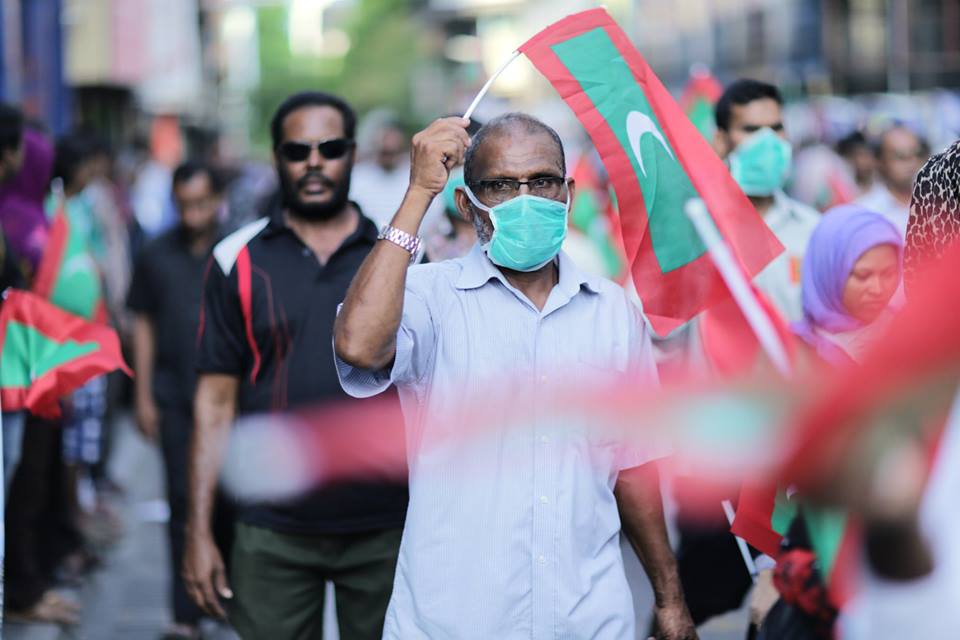
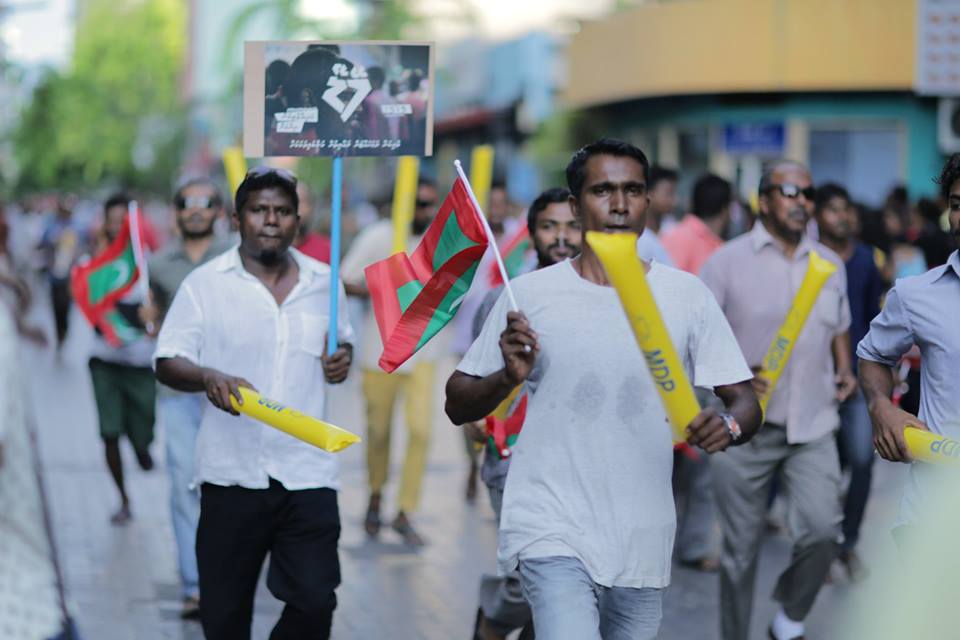
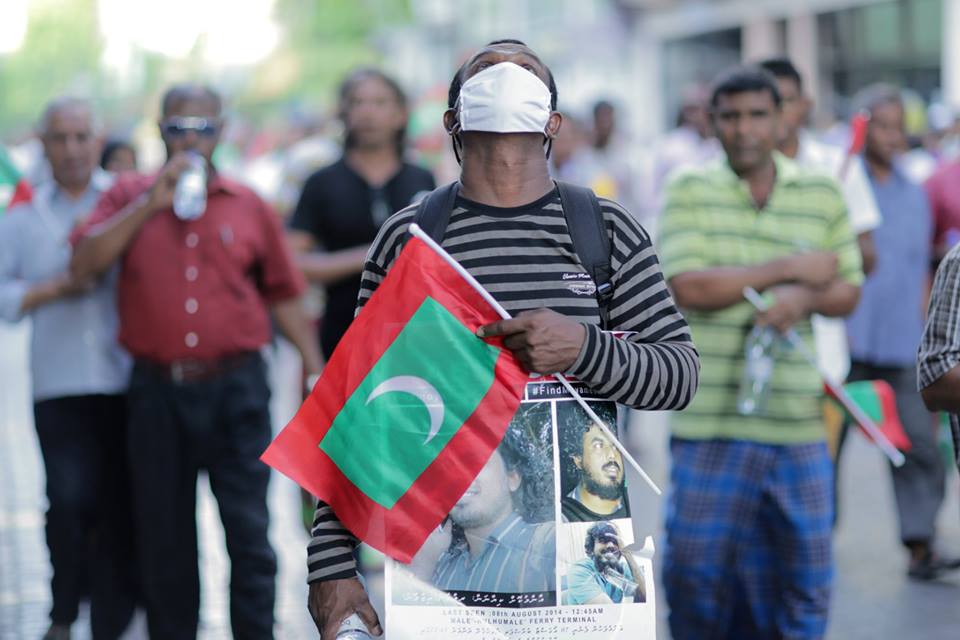
According to the main opposition Maldivian Democratic Party, tens of thousands have signed a petition calling on the president to release Nasheed. Supporters attempted to deliver the petition to the president’s office on Thursday, but were turned back by the police.

The opposition’s daily protests over the imprisonment of Nasheed is continuing. Two former defence ministers and an MP have also been jailed on various charges last month.

Likes(2)Dislikes(0)
Concerns grow over police abuse of May Day detainees

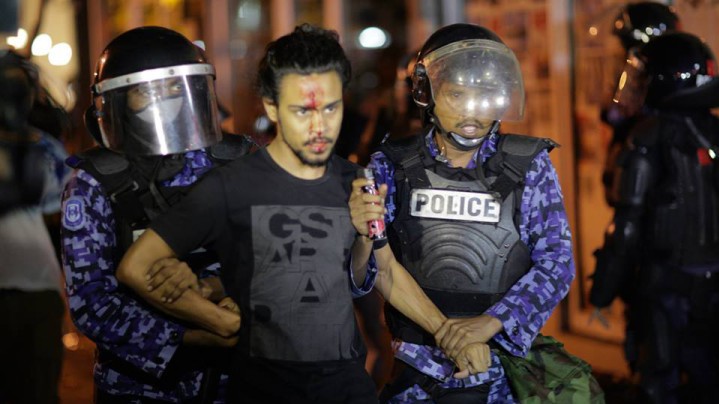
The human rights watchdog has launched an investigation into police brutality against protesters arrested from an anti-government rally on Friday amidst growing concern over custodial abuse.

The Human Rights Commission of the Maldives (HRCM) said its officials were denied access to detainees at the police headquarters on Friday night, but were able to visit the detainees the following morning at Dhoonidhoo.

The commission is now investigating three cases of apparent brutality, member Jeehan Mahmoud said.

Meanwhile, eyewitnesses have told Minivan News they saw policemen in plainclothes beating a man around 3:15am on Saturday near the Henveiru stadium. Seven men, some wearing jerseys and shorts, repeatedly punched and kicked the man and drove off with him in a police van.

Other sources say a 35-year-old man was arrested without a court warrant from his residence near the Henveiru stadium, on suspicion of beating a police officer at the protest. The source alleged the man was also beaten at the police headquarters, released the next day, and arrested again with a court warrant.

Jeehan said the HRCM is looking into the case as well.

Nearly 200 protesters were arrested from the opposition’s May Day rally after clashes with riot police. The numbers arrested are the highest from a single protest in a decade. Some 175 protesters are being held in remand detention for 15 days at the police custodial island of Dhoonidhoo near Malé.

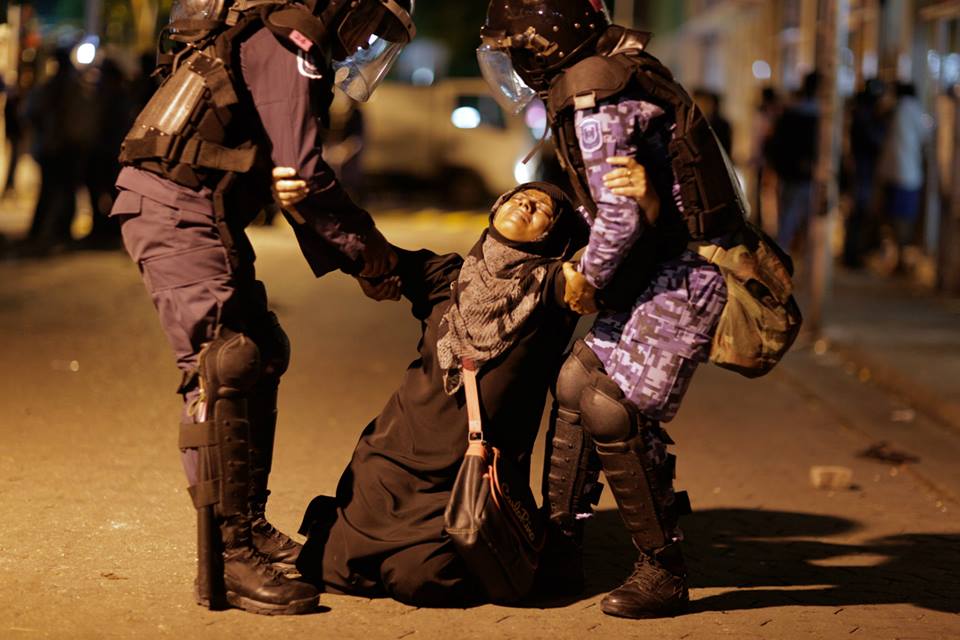
Lawyers for the detainees and the main opposition Maldivian Democratic Party (MDP) have accused police of brutalising the protesters during and after arrest and holding them in inhumane conditions at the packed detention centre.

The MDP alleged in a statement today that Specialist Operations (SO) police officers kicked former MP Ahmed Easa on his spine and shoulders and hit him on the head with batons after hauling him onto a police vehicle.

Minivan News journalists at the scene heard Easa scream in apparent pain from inside the vehicle, which was packed with SO officers. Easa was limping when he appeared in court on Saturday.

The MDP said police officers threatened to torture Easa while he was waiting at the criminal court and have so far refused to bring the former MP to Malé for treatment. Lawyers said Easa and other detainees have been provided treatment by police doctors at Dhoonidhoo.

Easa and other detainees were kept 25 people to a cell, which were infested with mosquitos, the opposition party said. Police routinely whacked the bars of the cell to prevent Easa from sleeping, the MDP statement added.

Other detainees, including two pregnant women, have complained of being kept in overcrowded cells with no ventilation.

Lawyers said former MDP MP Ibrahim Rasheed ‘Bonda’ had a swollen eye while other detainees had sustained a range of injuries during their arrest.

A man and woman arrested from a protest pickup that had charged through police lines into the green zone at dusk on Friday were also severely beaten, lawyers said.

A police media official told Minivan News that all the detainees, including Easa, were arrested in full view of the media, who were free to observe and report police conduct.

Lawyers for the detainees have not lodged complaints of brutality with the police, the official noted, adding that cases could also filed with independent oversight bodies such as the Police Integrity Commission (PIC) and HRCM.

The head of the PIC was unavailable for comment at the time of publication.

Police said six people have been arrested so far in connection with assaulting the police officer on Friday night. Two men aged 35 and 49 were arrested on Saturday while a 30-year-old woman and three men aged 19, 48, and 28 were arrested on Sunday.

The criminal court has extended the remand detention of all six suspects to 15 days.

Lawyers told Minivan News that they have not had access to detainees held on suspicion of assaulting the police officer.

A seventh suspect has reportedly been arrested this evening. Local media said 19-year-old Mohamed Laban, the goalkeeper of football club Eagles, was arrested around 5:45pm upon his arrival for training at the Maafanu stadium.

Laban is accused of tripping an SO officer. Police have posted videos of the incident, which show protesters kick and severely beat him on the ground with his baton.

Eyewitnesses at the scene told Minivan News at the time that other protesters, including Easa, shoved off the violent protesters, helped the fallen officer to his feet, and took him back behind police lines.

In a report released yesterday after observing the May Day protest, human rights NGO Maldivian Democracy Network (MDN) said protesters sustained injuries after police used their shields to push people back.

“The police were also heard using inappropriate and abusive language at the crowds, displaying acute hostility towards the people gathered. It was also observed that some individuals used hateful language and threw plastic bottles and stones at the police,” MDN said.

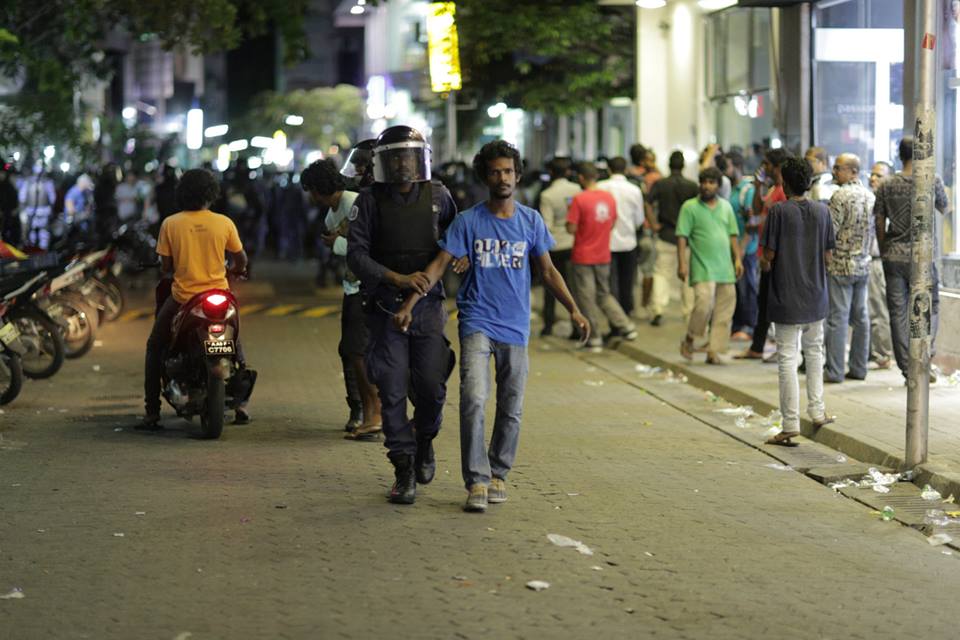
“Protesters who were arrested after police charged into the crowds were seen to have been pushed, forced to run with several policemen or carried by more than three or four policemen,” the observation briefing stated.

“It was noted that requests by these protesters to let them walk calmly was not respected by the police, and rough handling which led to individuals beings banged into the barricades, injuries and also for several individuals to lose their footwear or cause damage to clothes was observed.”

The MDN also noted that it was unclear whether the individuals arrested during periodic charges by SO officers were responsible for breaching barricades or were simply bystanders.

The MDN praised police personnel who assisted injured protesters and helped wash pepper spray from their eyes and attended to cuts and bruises.

Transparency Maldives has meanwhile condemned police for charging at “peaceful protesters” as well as the “mob attacks on police officers by protestors at the May Day protest.”

Likes(2)Dislikes(0)
Canada condemns May Day crackdown

The Canadian government has condemned a government crackdown on a mass anti-government protest on May Day.

“In light of clashes at recent protests in Maldives, Canada condemns the crackdown by the increasingly authoritarian government and its evident lack of respect for democracy,” said the Canadian foreign minister, Rob Nicholson, in a statement yesterday.

Tens of thousands of opposition supporters took to the streets on Friday over the jailing of ex-president Mohamed Nasheed and government authoritarianism. Clashes broke out when protesters attempted to enter Malé City’s central square, an area where protests are banned, at dusk.

Opposition leaders and 193 protesters were detained in the largest number of arrests from a single protest in a decade. Scores were injured and two police officers were beaten.

The criminal court has remanded over 170 protesters for 15 days.

“Canada stands with the tens of thousands of peaceful Maldivians from across the country who have congregated to call for the release of political prisoners and the restoration of the rule of law,” Nicholson said.

“The trial and treatment of former president Mohamed Nasheed is appalling. An effective and thorough review of the investigation and legal proceedings is vital to ensure that international and domestic obligations related to fair trials and the rule of law are fully respected.

“We urge all sides to remain calm and exercise restraint in the face of violence. At the same time, we underline the need for respect for freedom of expression and peaceful assembly. We also urge the government of Maldives to reaffirm its commitment to democracy, human rights and the rule of law.”

Nasheed was sentenced to 13 years on terrorism charges relating to the arrest of a judge during his tenure. The trial was rushed and widely criticised by foreign governments, international bodies and human rights groups.

The EU parliament last week called on the government to free Nasheed immediately and has urged member states to warn tourists on Maldives’ human rights record.

The US secretary of state John Kerry added his voice to growing criticism on Saturday, saying Nasheed’s imprisonment is “an injustice that needs to be addressed soon.”

“We’ve seen even now how regrettably there are troubling signs that democracy is under threat in the Maldives where the former president Nasheed has been imprisoned without due process,” he said.

The government, however, remains defiant, dismissing Kerry’s remarks as “personal views” and saying the EU parliament’s resolution is no cause for concern.

Foreign minister Dunya Maumoon on Friday said President Abdulla Yameen’s government will not comply with demands from foreign governments to “meddle” in judicial affairs and release a convict.

Dunya has reacted furiously to statements by Canada in the past, saying they were biased and untrue.

Likes(0)Dislikes(0)
Editorial: What we saw and heard on May Day

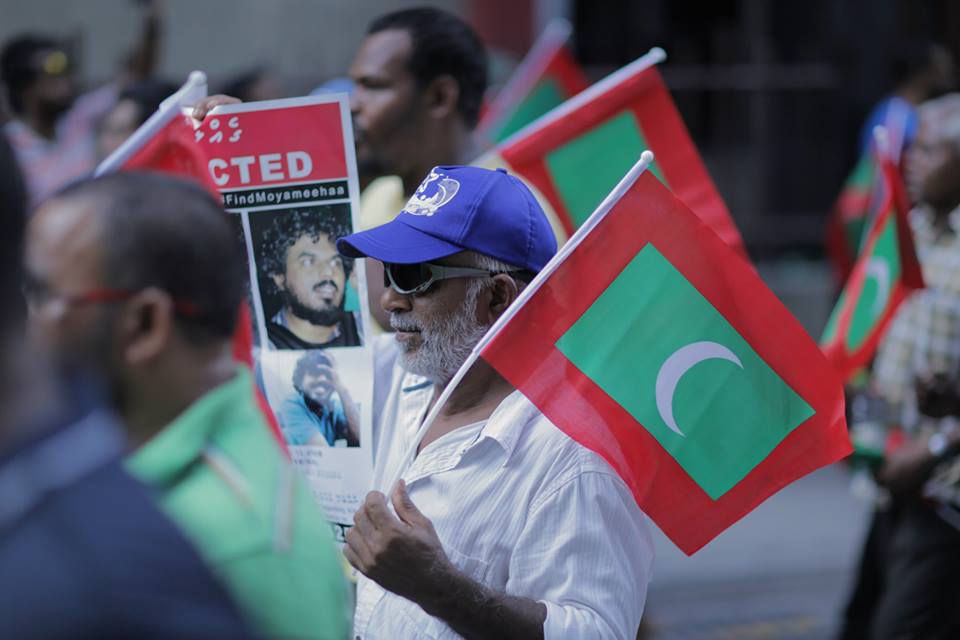
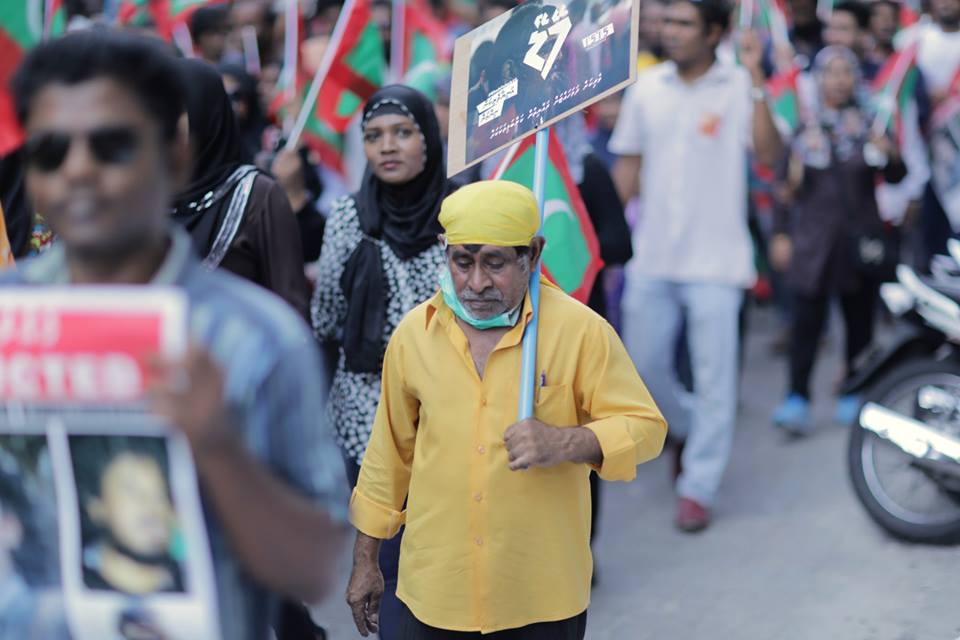
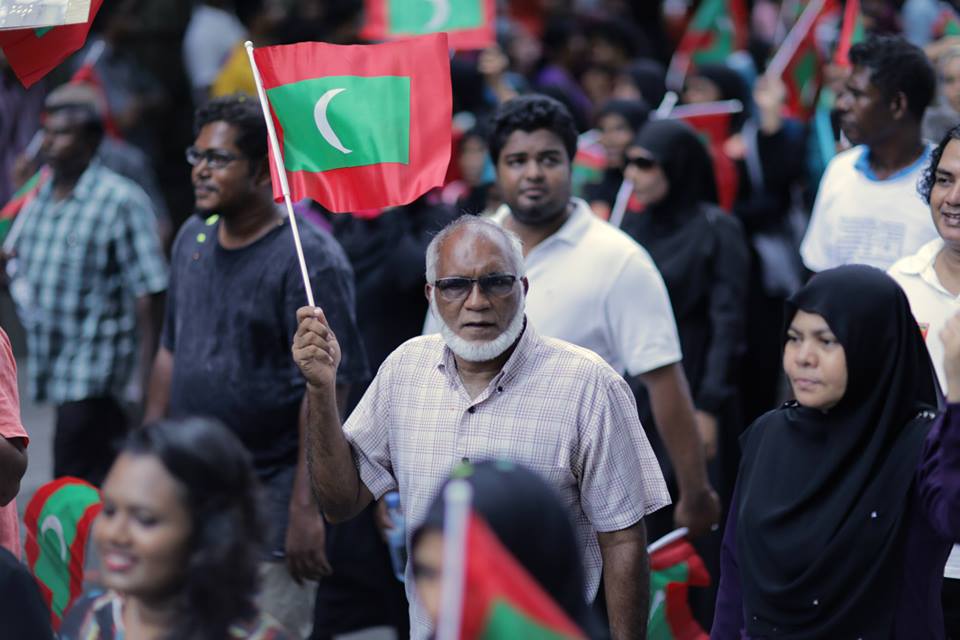
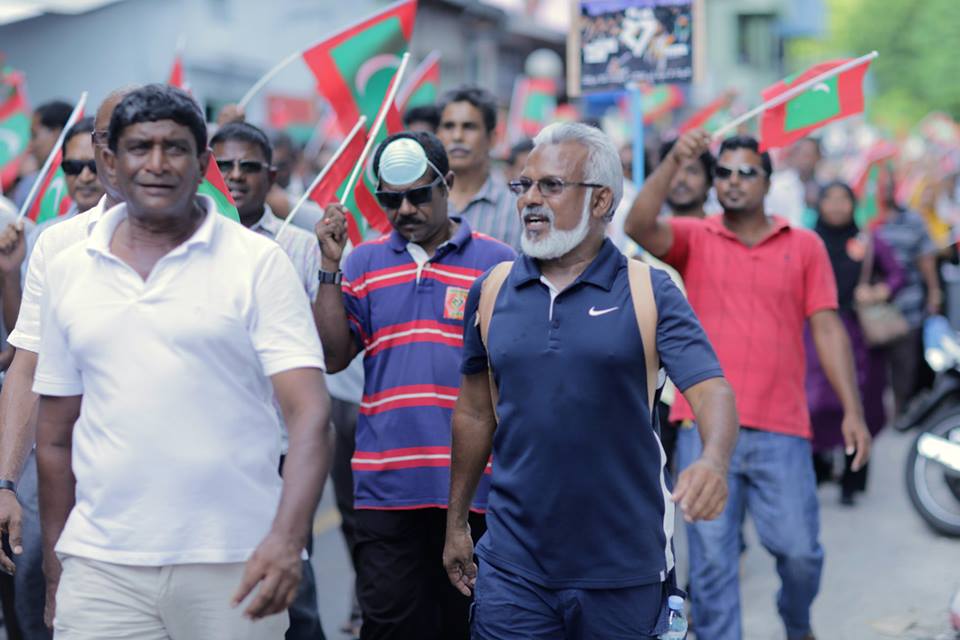
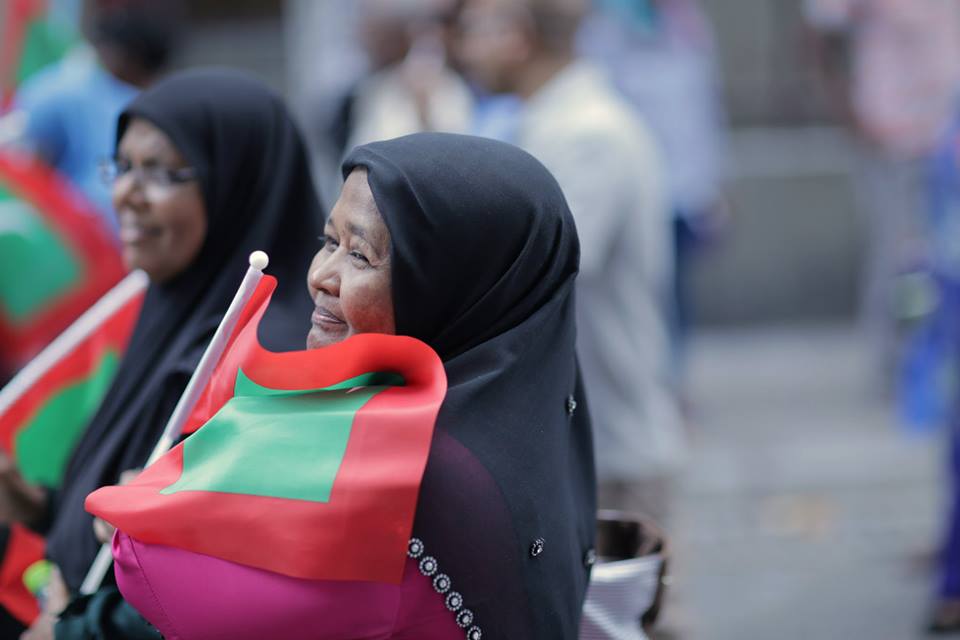
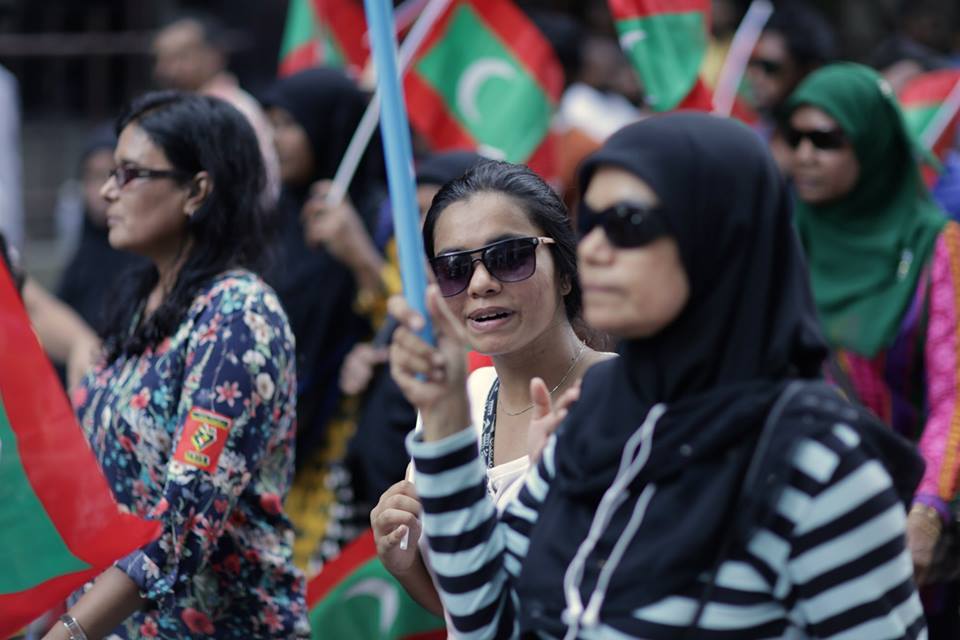
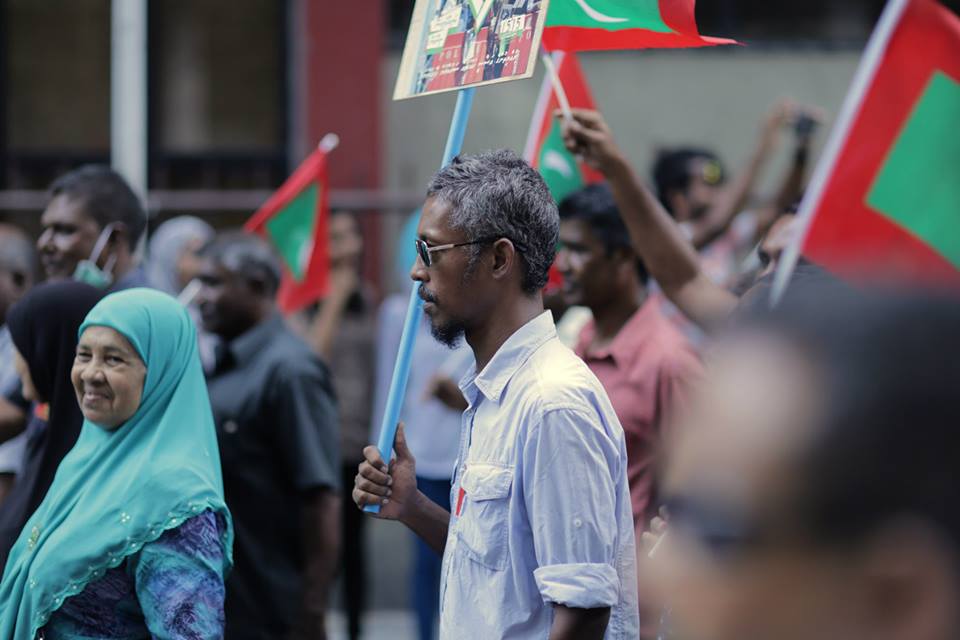
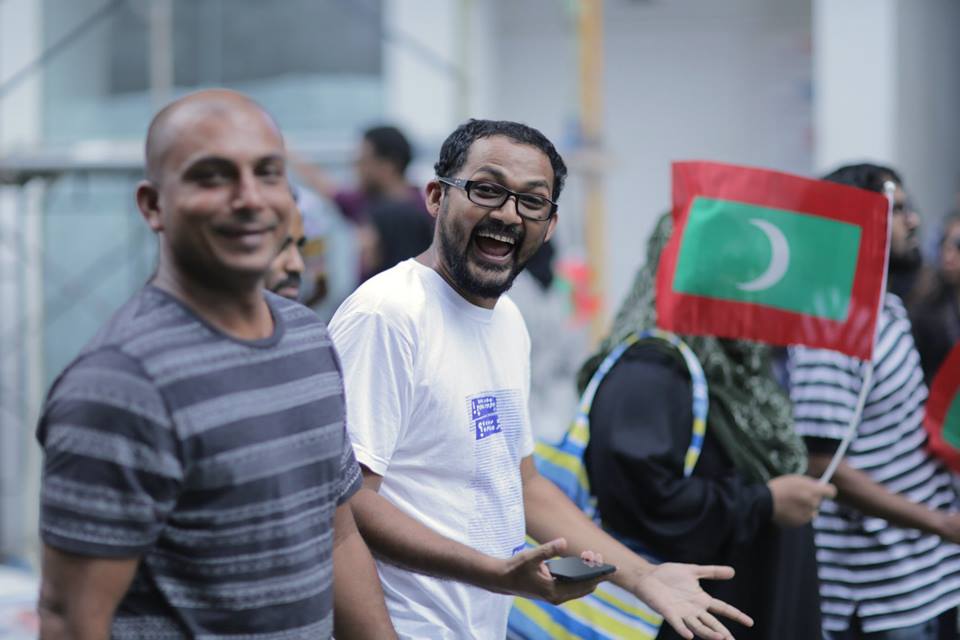
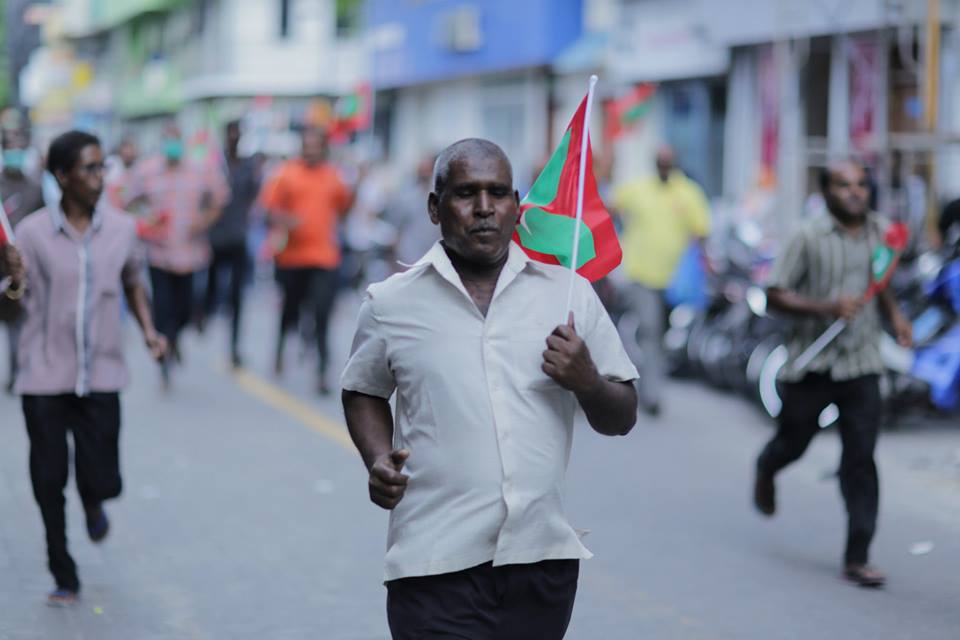
Approximately 20,000 people took to the streets on May Day in the largest anti-government protest in a decade. But protesters failed to seek the release of ex-president Mohamed Nasheed or force the government to negotiate. Instead, scores were arrested and injured in violent clashes.

What happened? Who attacked first, protesters or police? Did the security forces use disproportionate force? Minivan News recounts what we saw and heard on the streets of Malé.

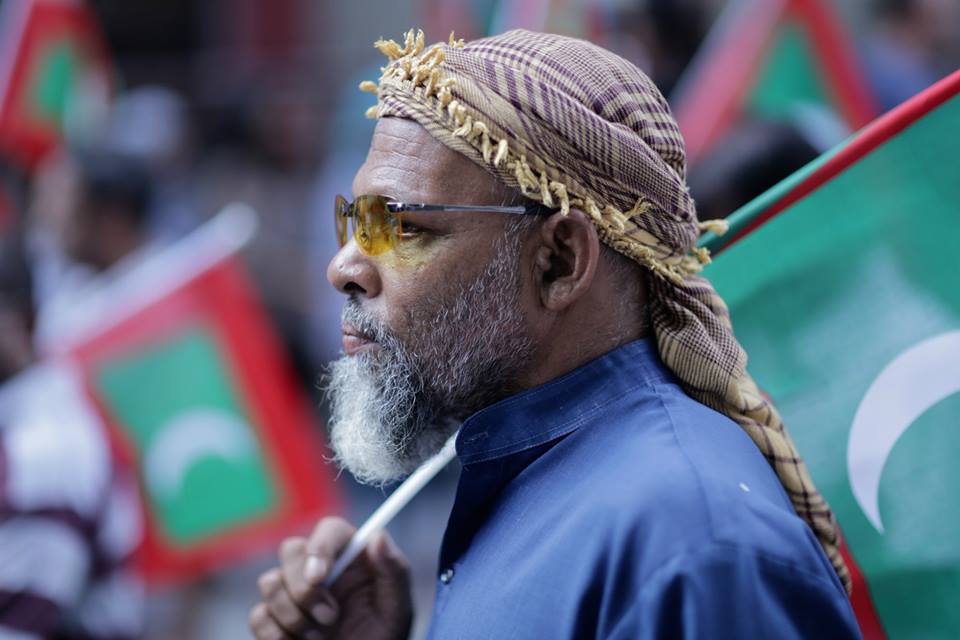
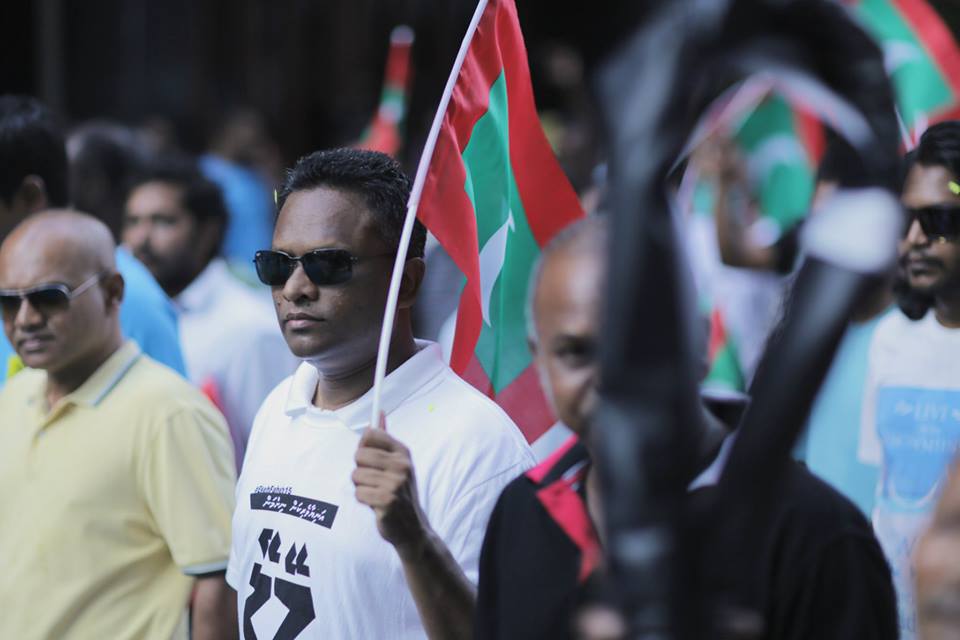
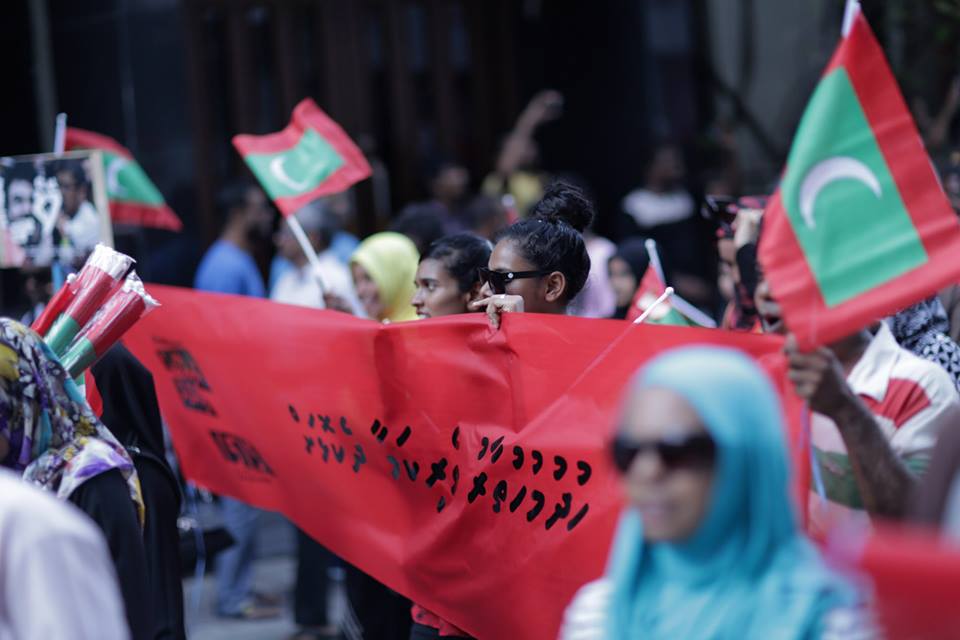
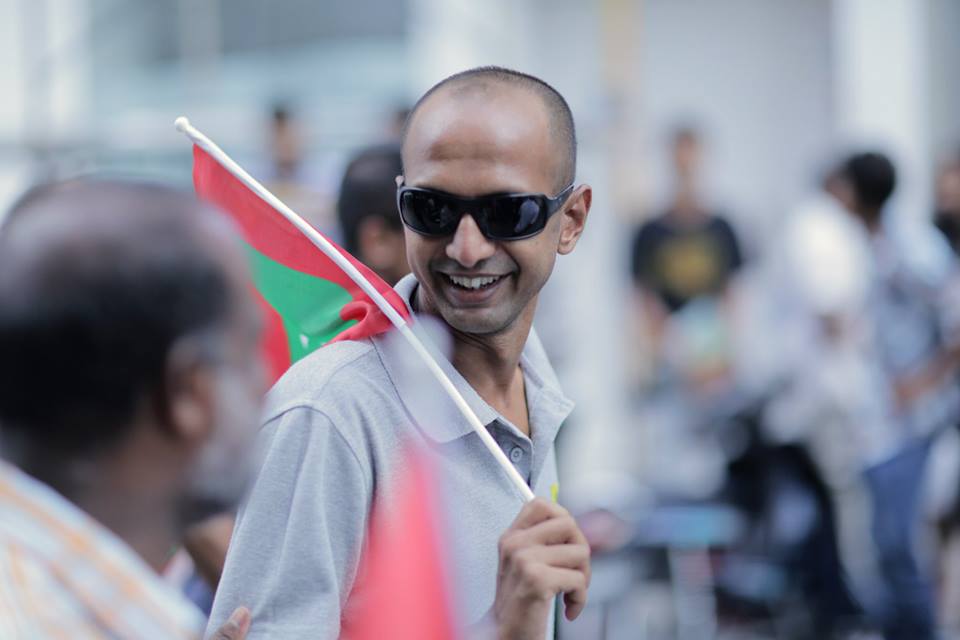
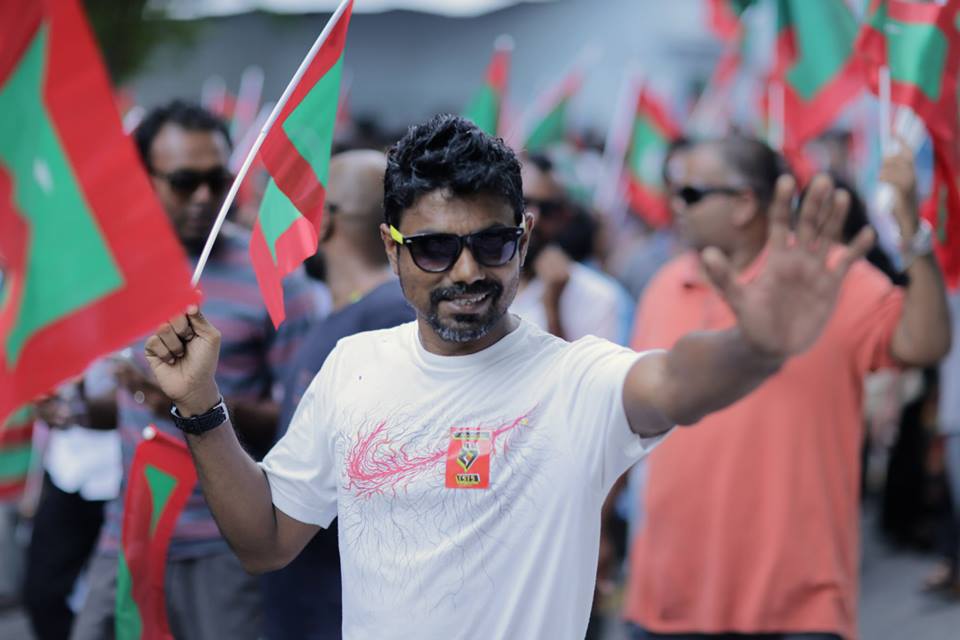
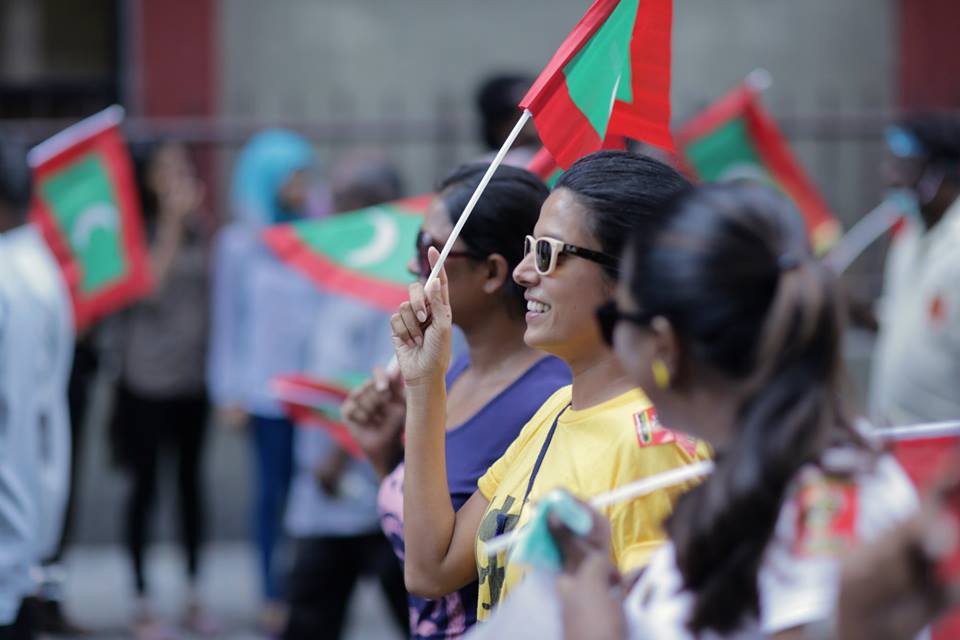
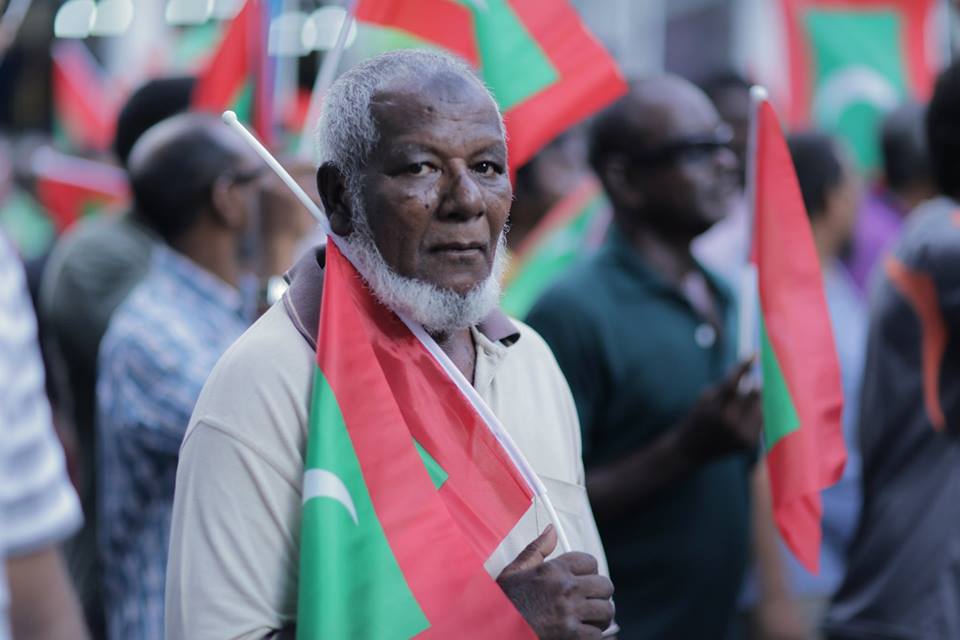
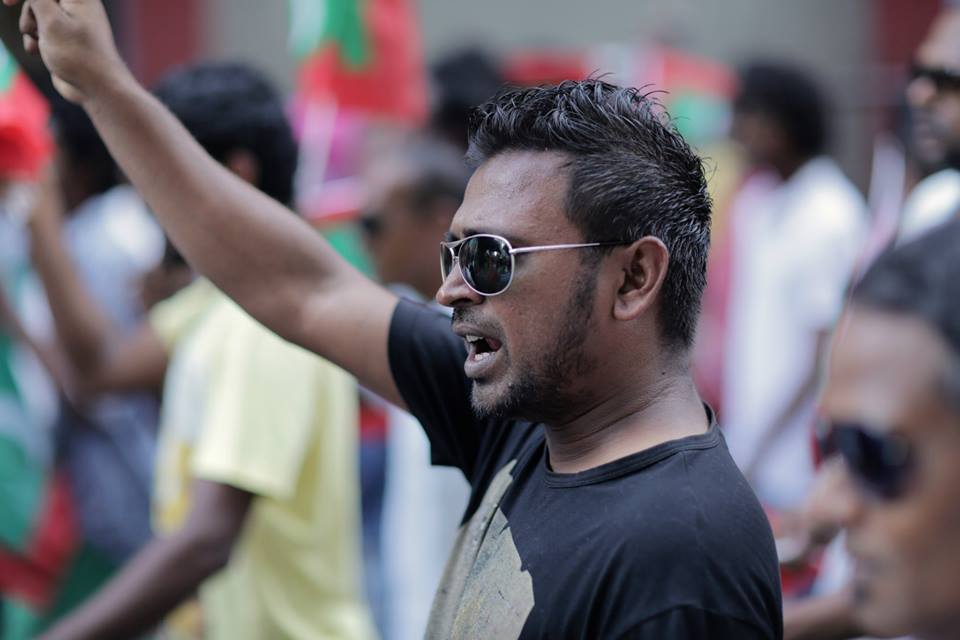
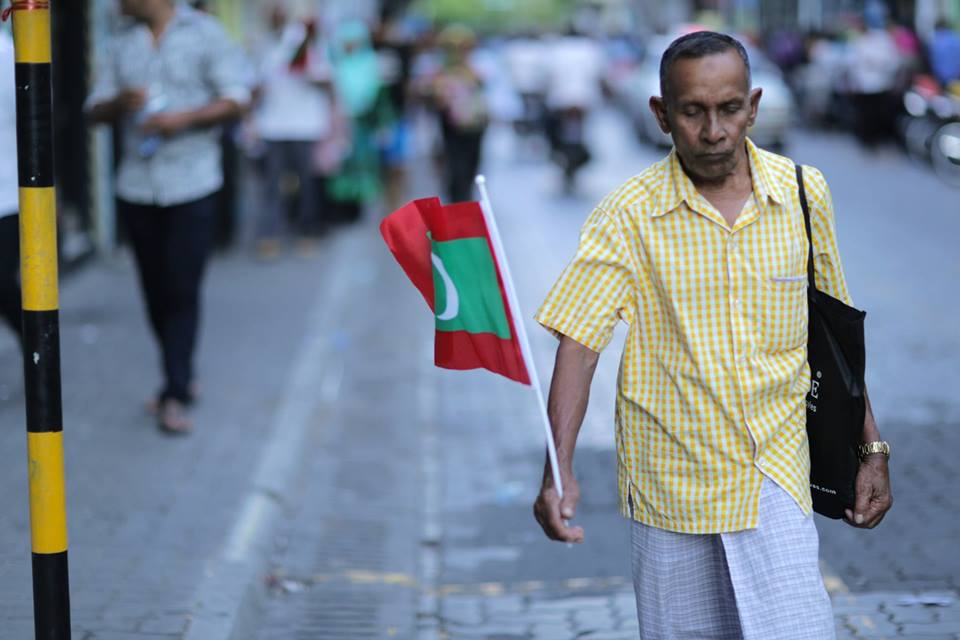
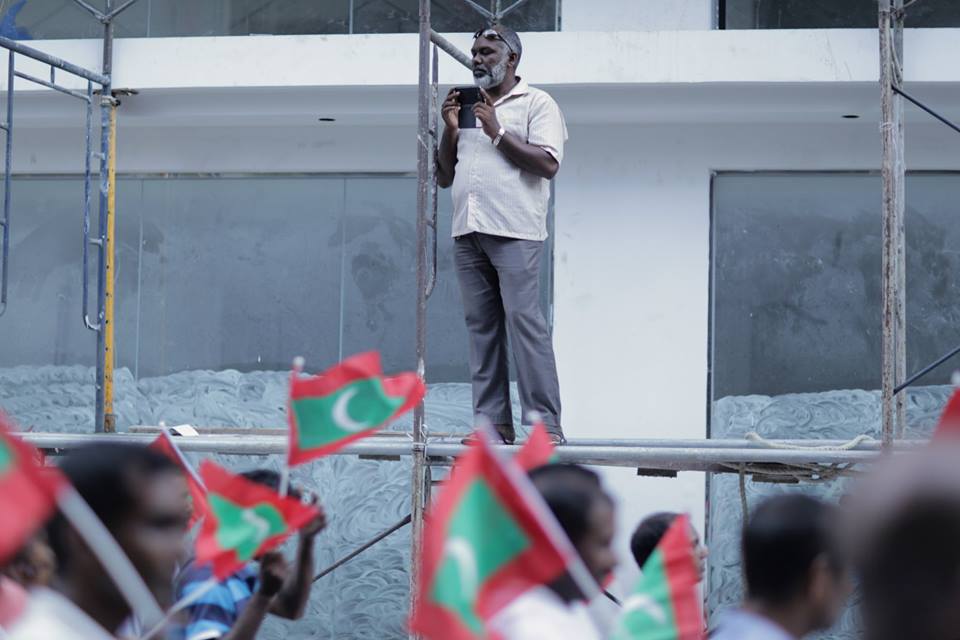
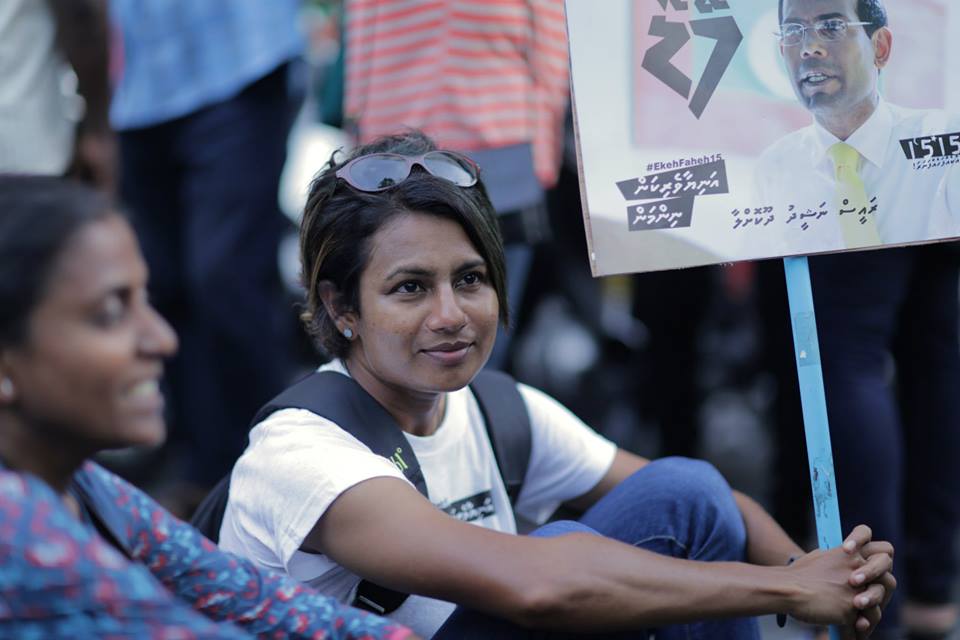
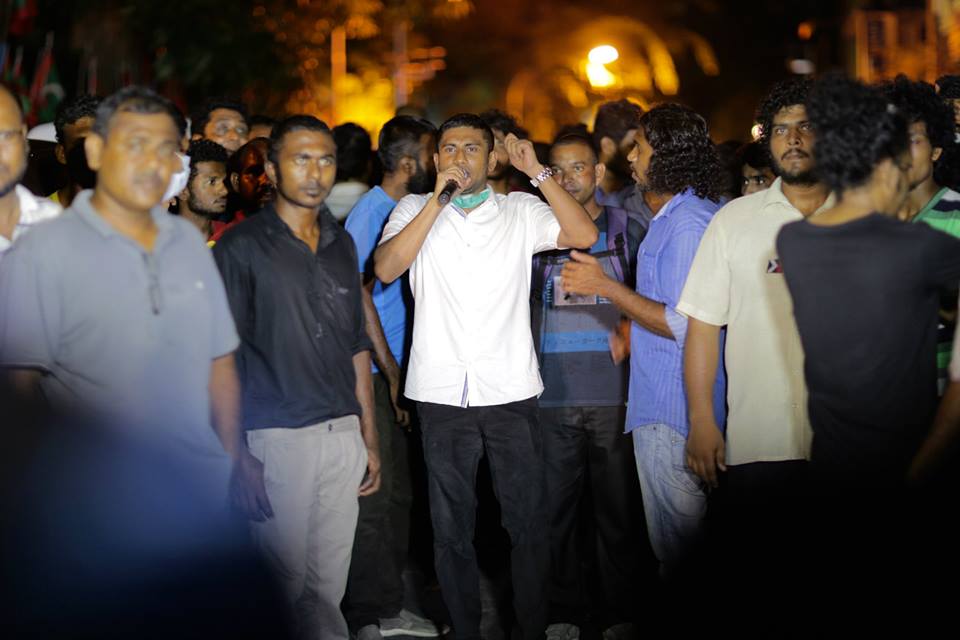
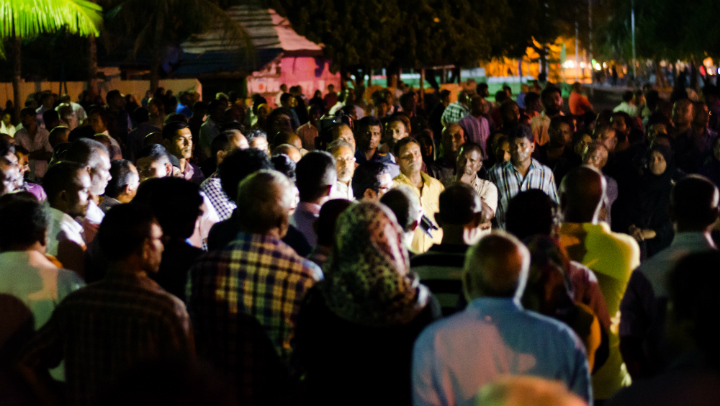
Revolutionary fervour was in the air when protesters set off at 4:45pm on a march through Malé’s thoroughfare Majeedhee Magu. The de facto leader, Adhaalath Party president Sheikh Imran Abdulla, started the march saying the opposition would “emerge victorious.”

May Day rally begins

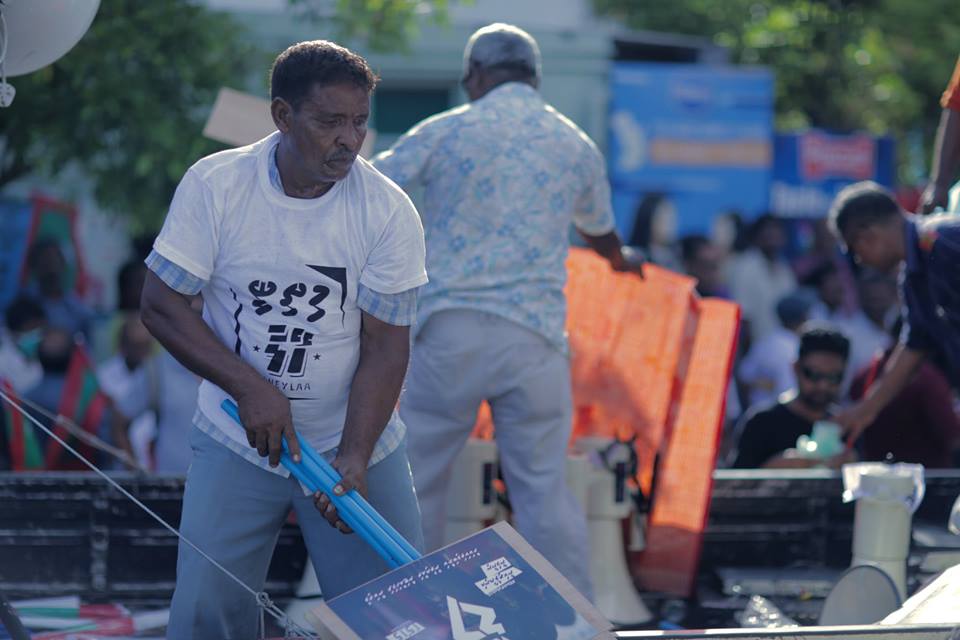
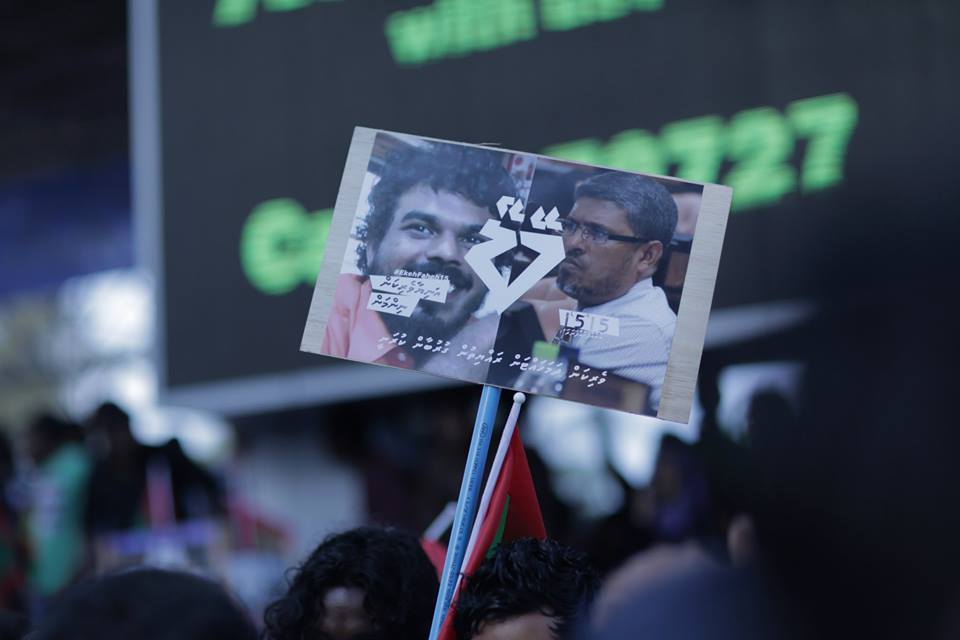
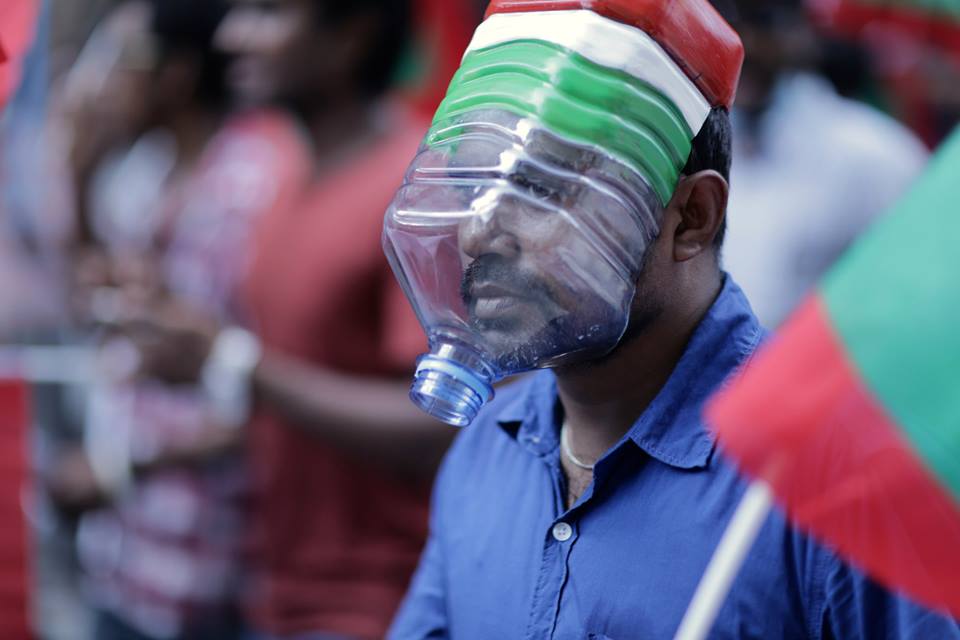
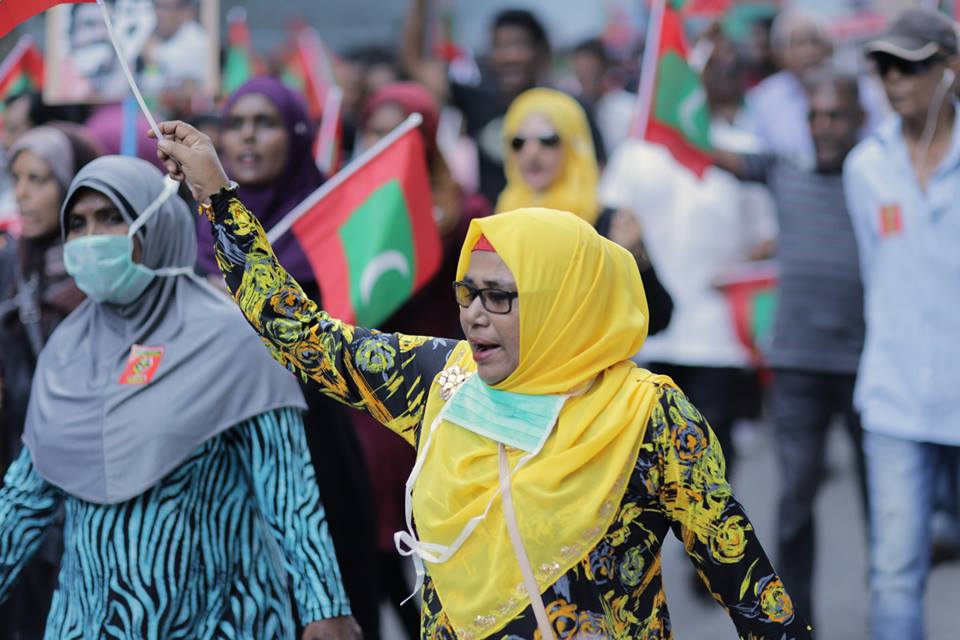
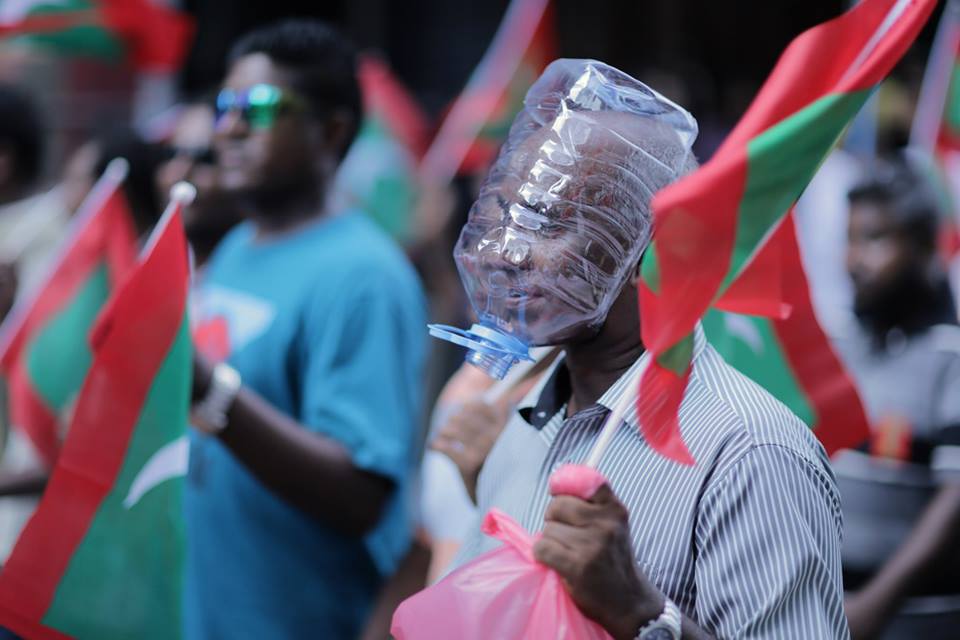
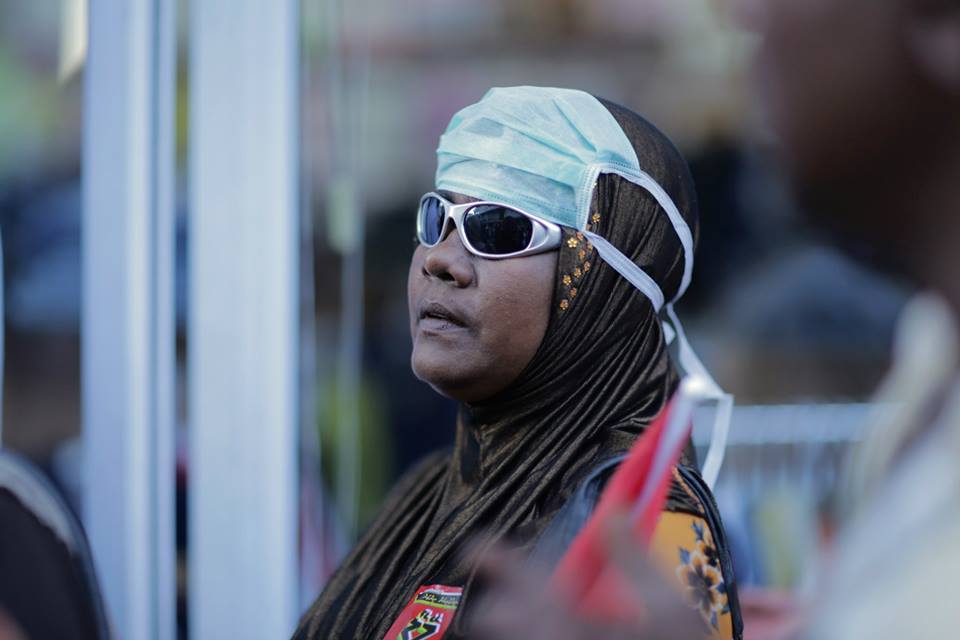
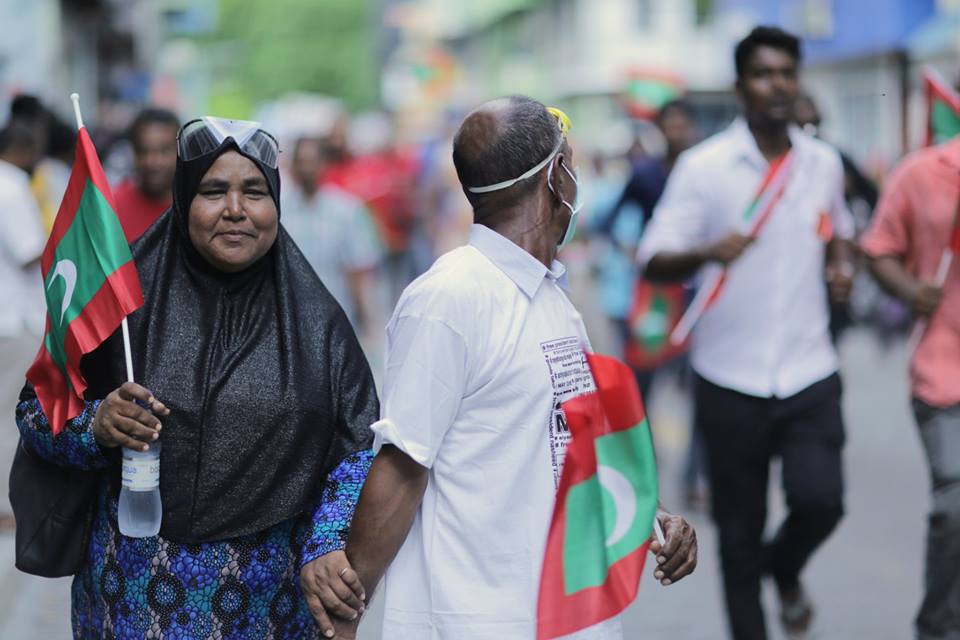
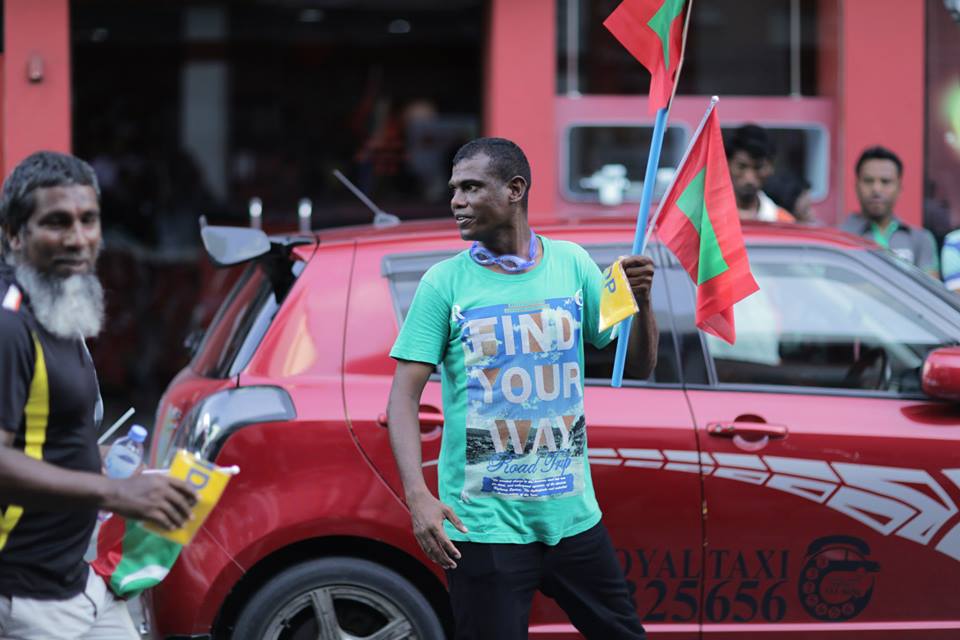
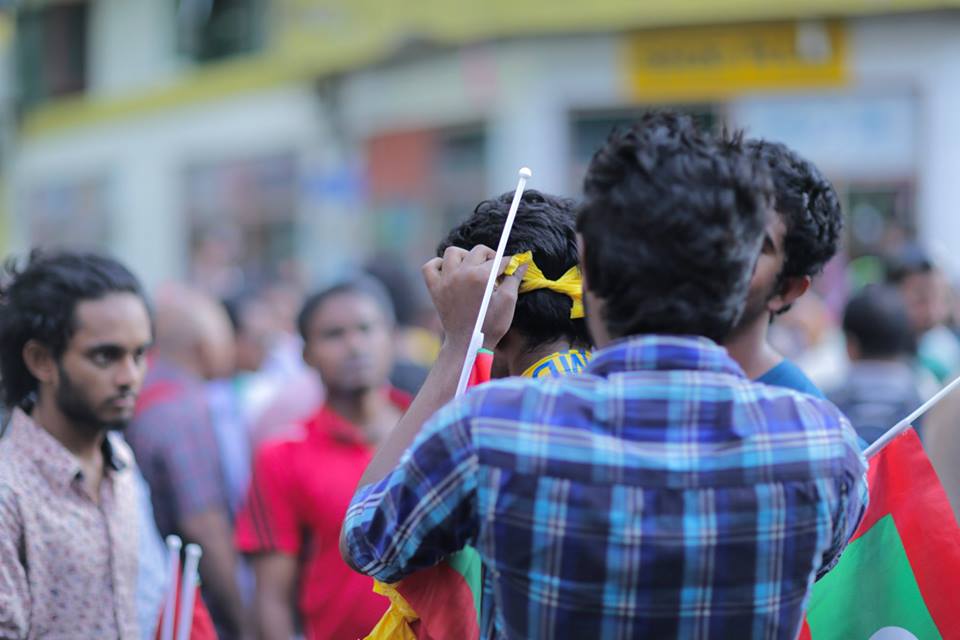
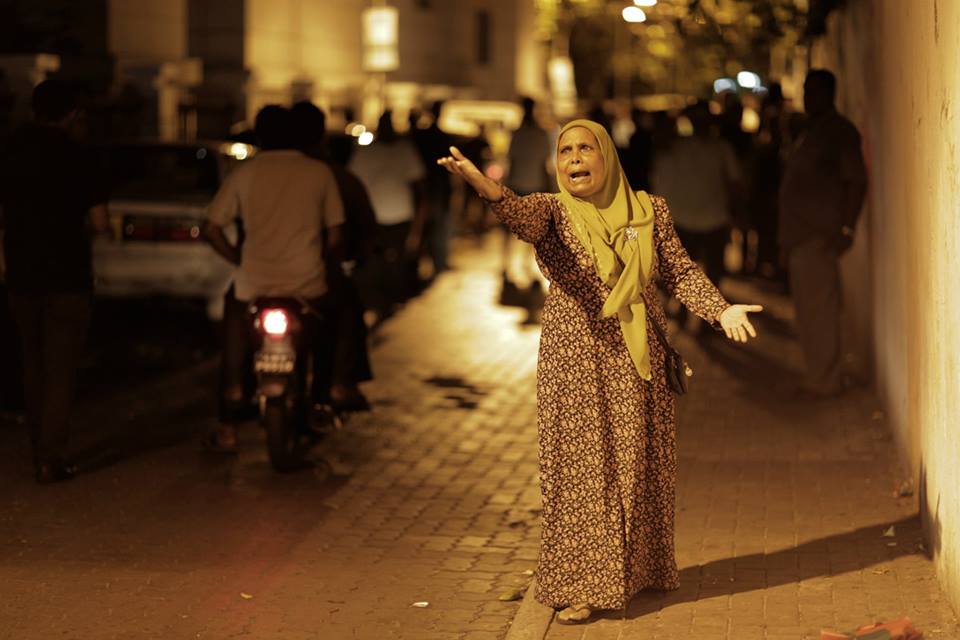
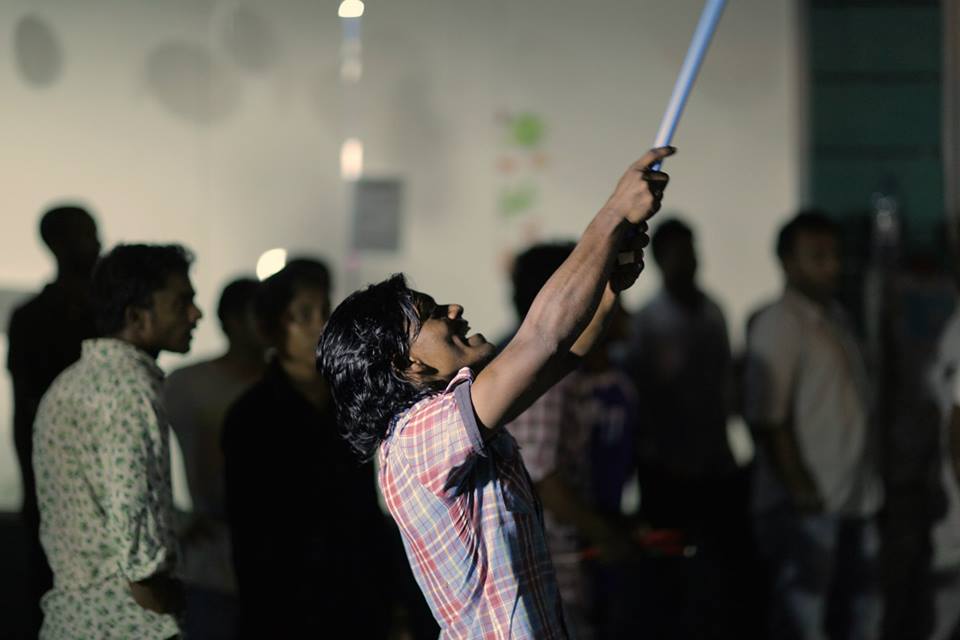
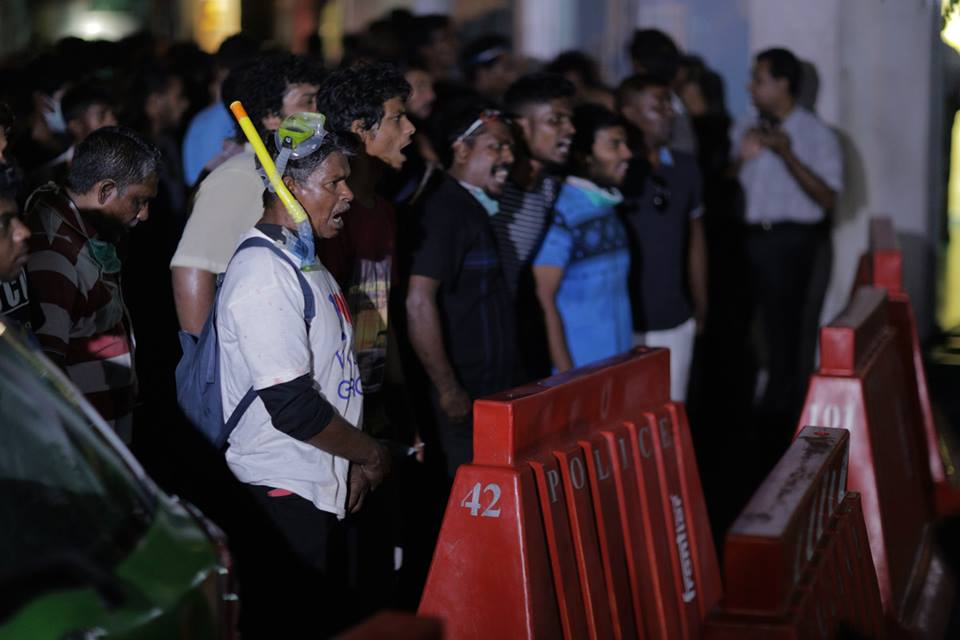
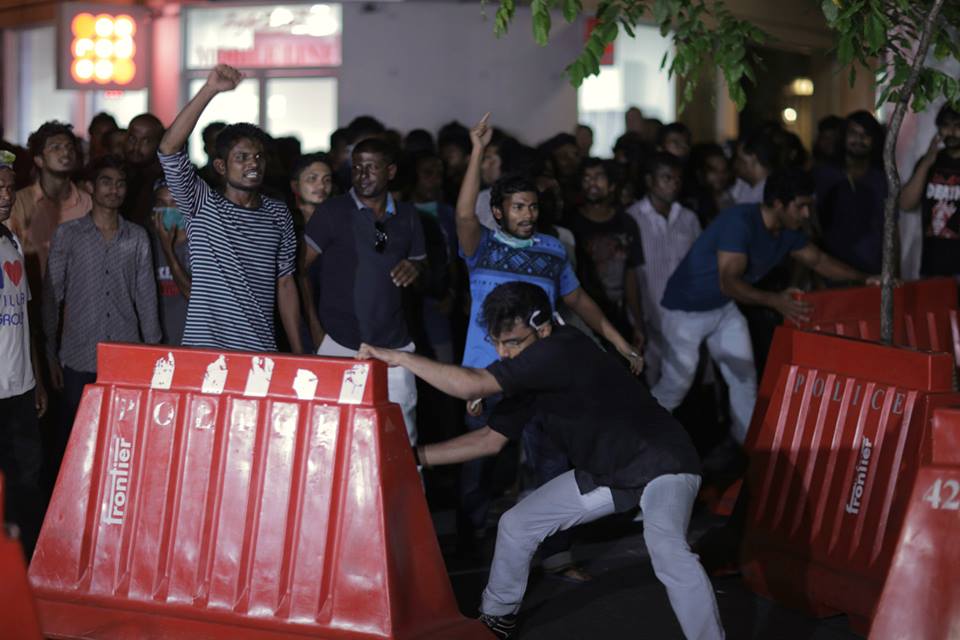
From the start, the opposition Maldivians against tyranny coalition’s plans were unclear to protesters. Many expected leaders to announce plans at the end of the march. Protesters were geared up for a crackdown, some wore swimming goggles and surgical masks and had fashioned home made masks out of plastic bottles. Many carried bottles of coca cola to reduce effects of pepper spray and tear gas.

11022549_10153316778615917_6043892168212897201_n

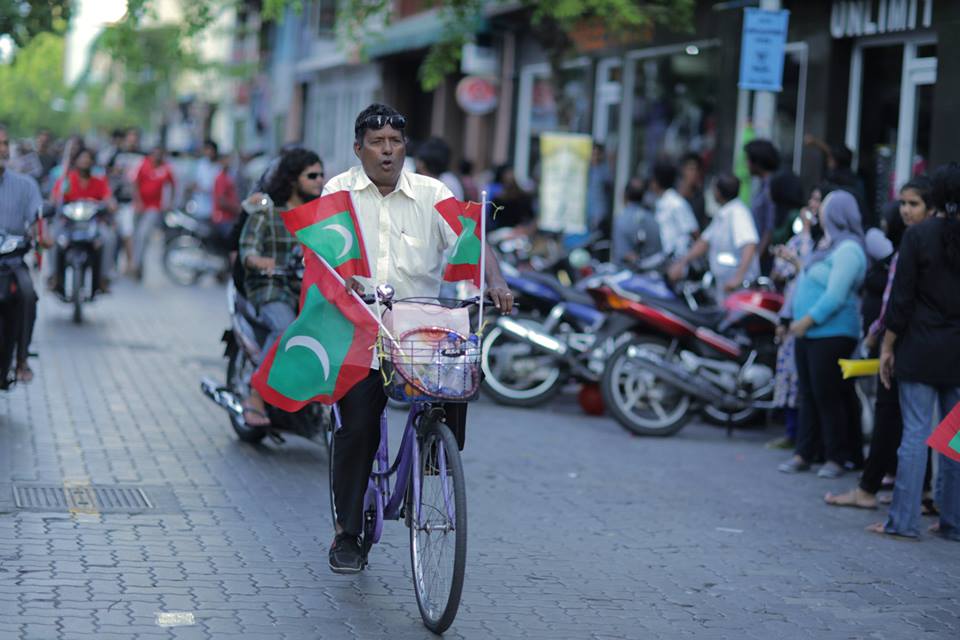
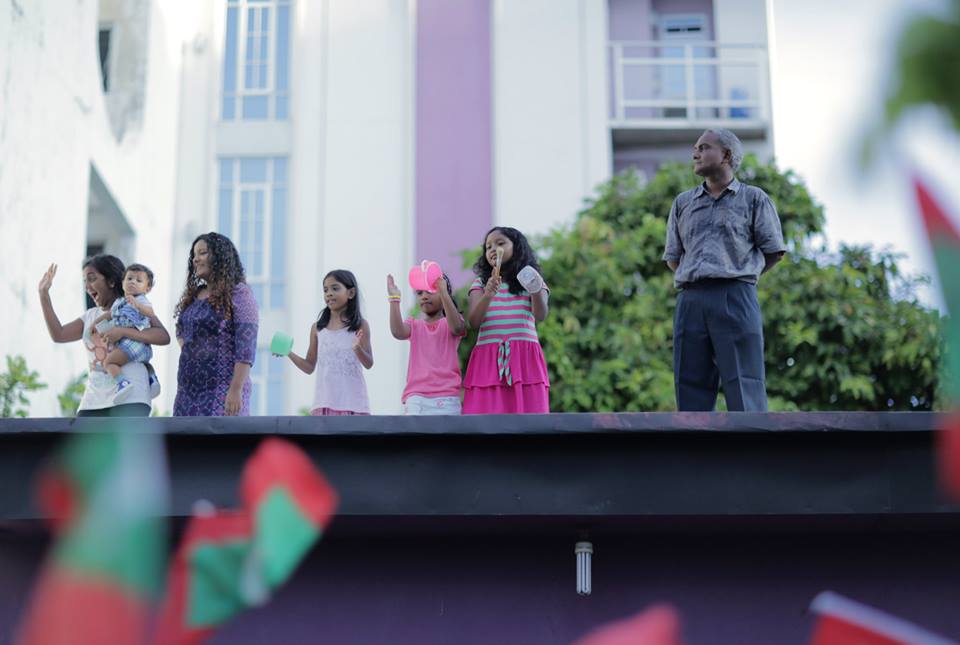
The Qur’an was blaring over static from a lorry at the frontline, while music was playing on lorries stationed in the middle and at the end. Protesters marched at a brisk pace as onlookers applauded and waved. Several megaphones, set up on balconies at private residences, were broadcasting opposition-aligned Raajje TV and 97 Minivan radio’s live coverage of the march.

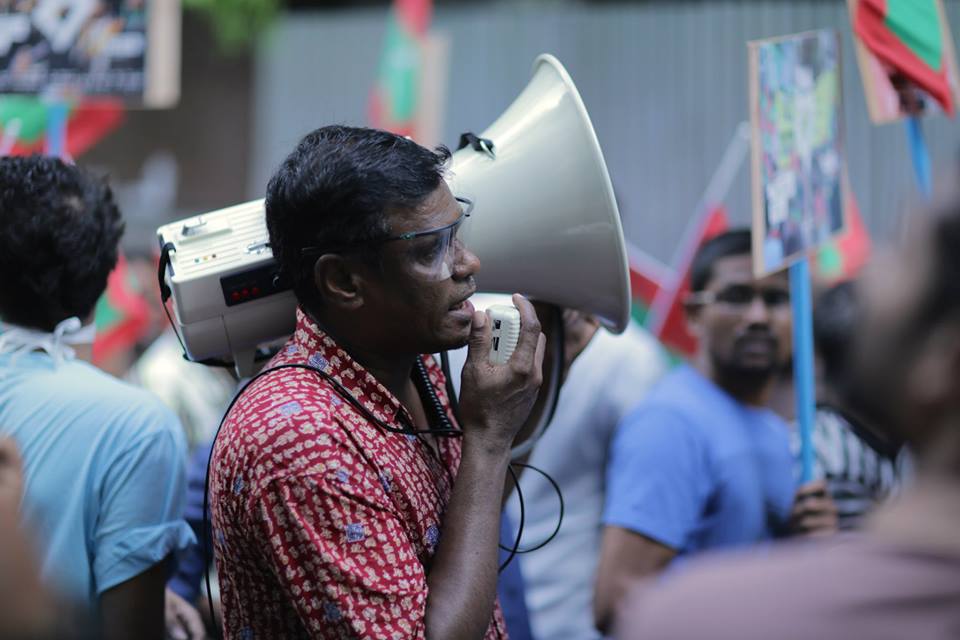
At the western edge of Majeedhee Magu, opposition leaders stopped to speak to the crowds. A nervous energy hung in the air. Speakers said Muslims were obligated to stand up against tyranny and injustice. The Maldivian Democratic Party’s (MDP) chairperson Ali Waheed said he would only go home after securing Nasheed’s release.

Protesters in the middle and at the tail end could not hear the speeches. The crowd was agitated. Some attempted unsuccessfully to get protesters to sit down on the street. When Sheikh Imran took the stage, protesters faced the setting sun and put up their hands in prayer. Many were crying when Imran tearfully prayed for courage to remain steadfast and for mercy from the security forces.

Then came the announcement that protesters were to go and perform dusk prayers at the Islamic Center located next to the city’s main Republic square and the police and military headquarters.

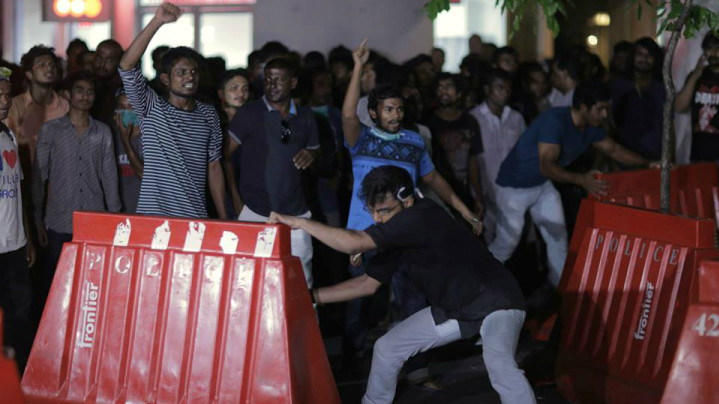
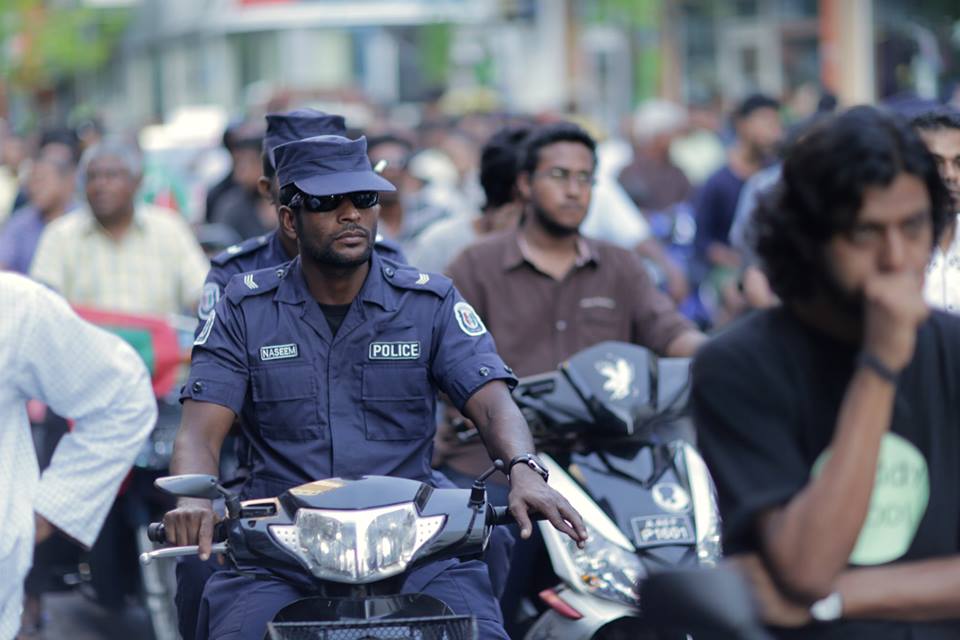
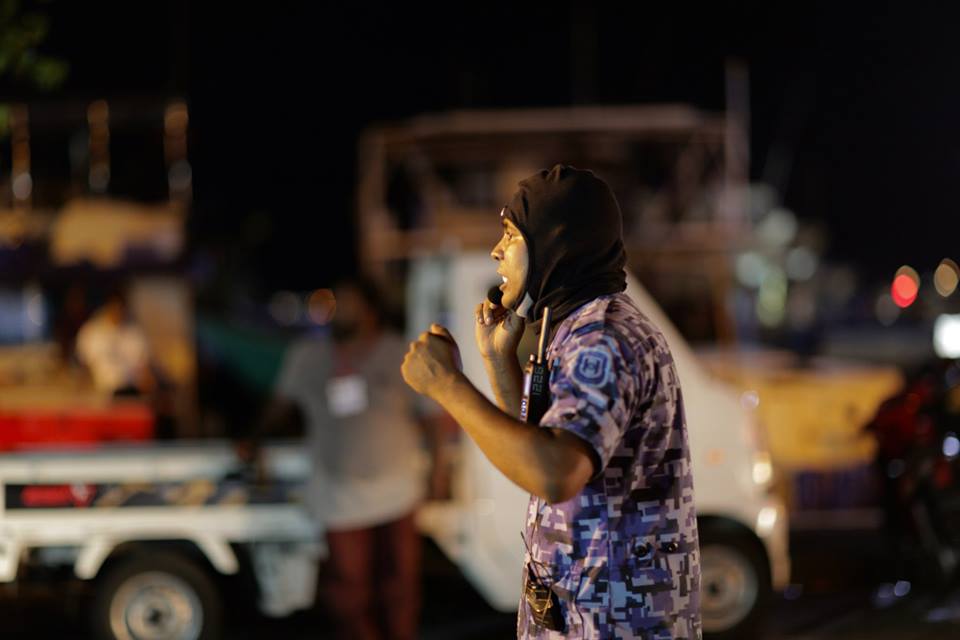
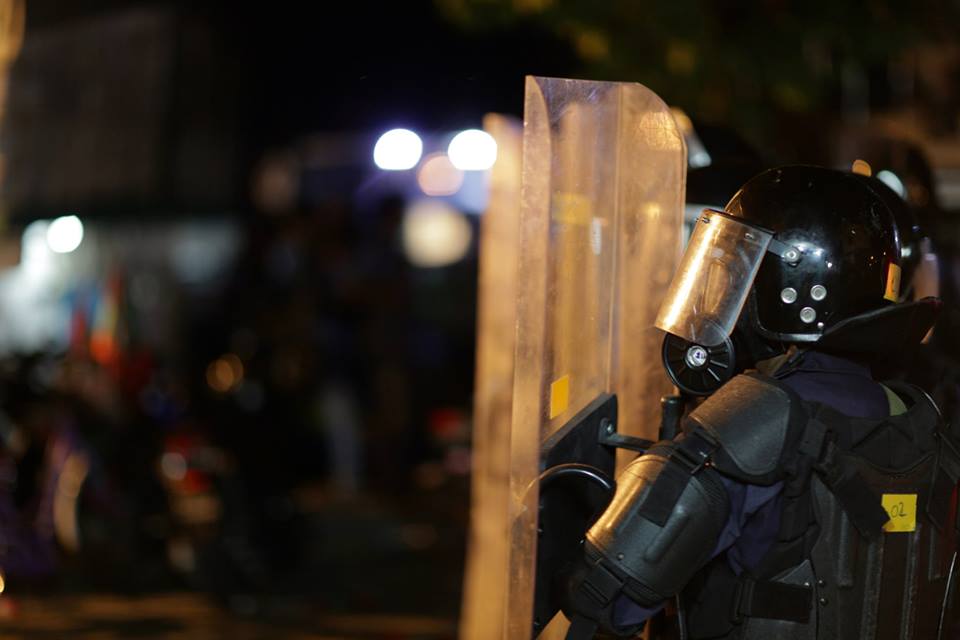
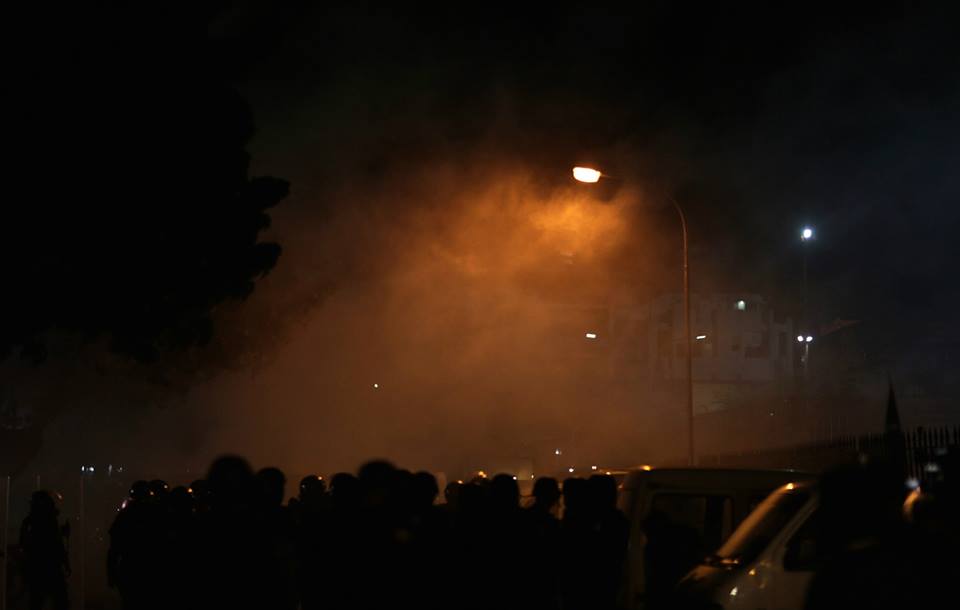
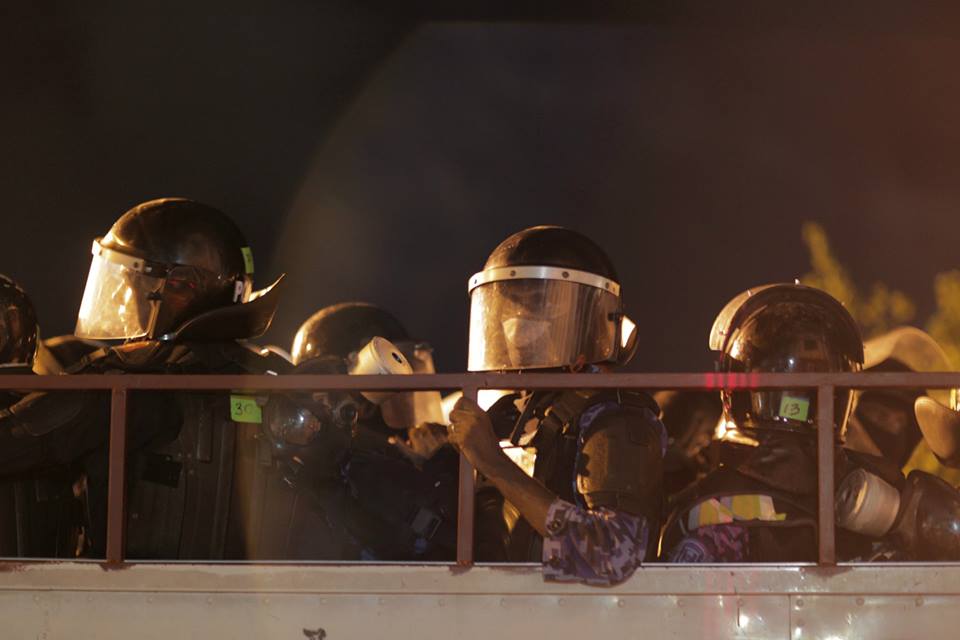
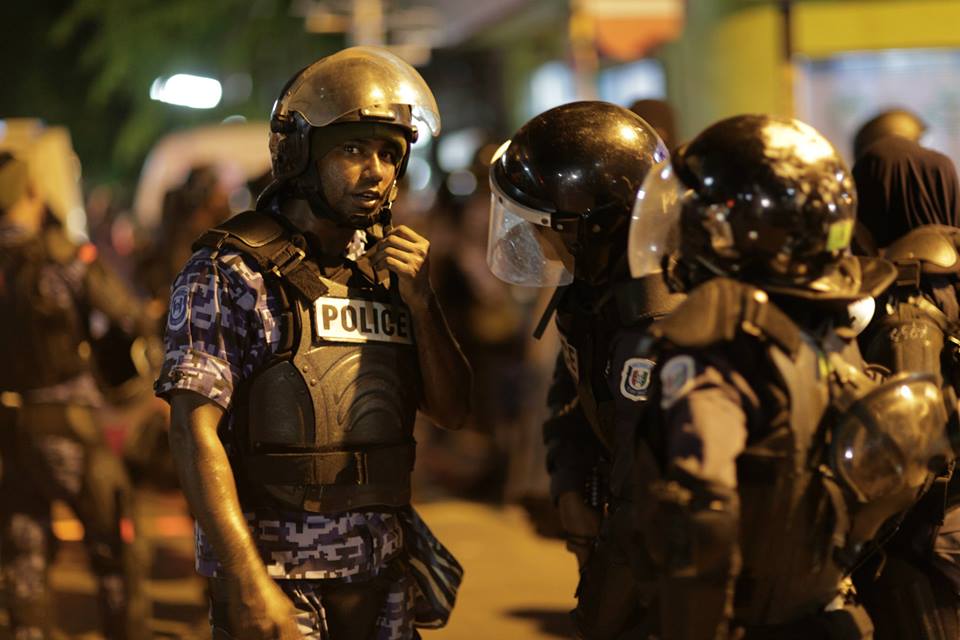
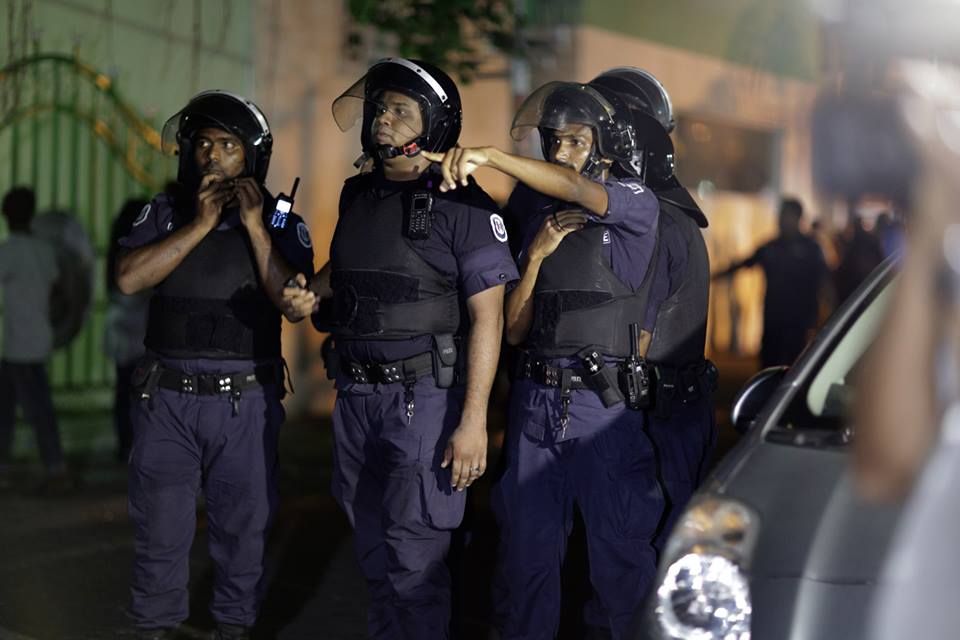
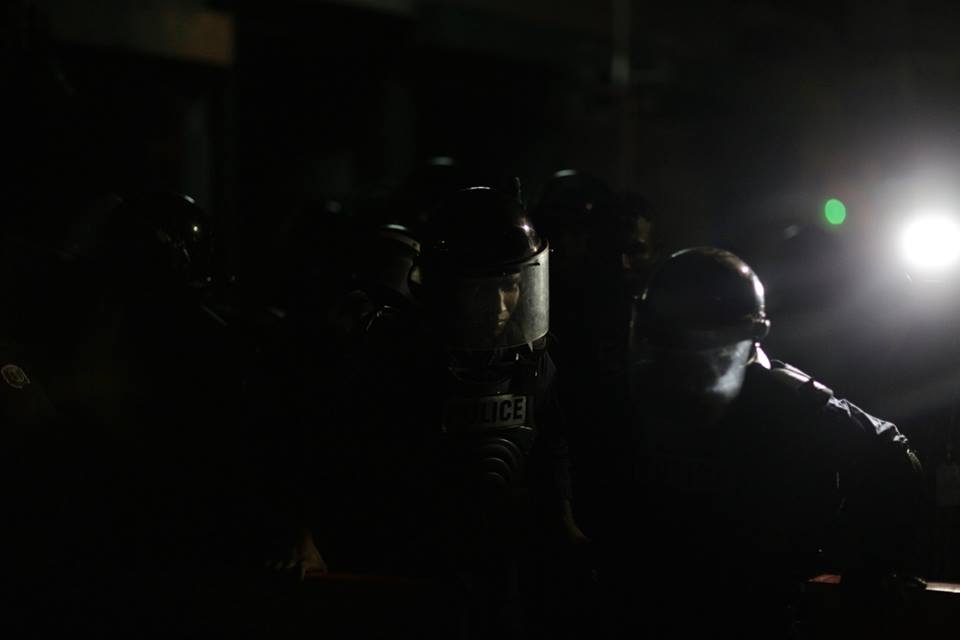
The crowd broke off chanting Allah Akbar, with groups of thousands taking various routes. Police in riot gear had blocked off all the roads leading to the Islamic center. Clashes broke out as protesters attempted to break through police lines. Security forces indiscriminately used pepper spray and beat protesters with batons.

The air was thick with tear gas, pepper spray, anger and fear.

11179976_10153318298125917_9138225020271501647_n

At the fish market, blocks away from the republic square, Minivan News journalists saw Sheikh Imran and Ali Waheed turn back as others urged on protesters to march through police lines. But when the leaders turned back, protesters fell back. MP Ahmed Mahloof, however, attempted to lead the crowd, but the ranks were nervous and disorganised, falling back to police’s use of pepper spray.

Police officers were visibly tense.

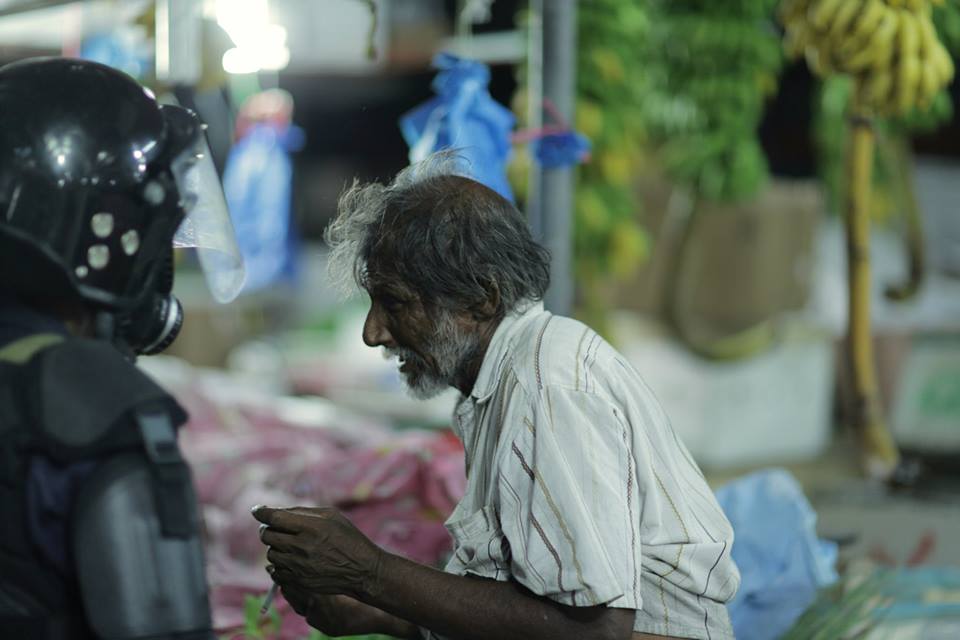
In narrow lanes surrounding the square, police in riot gear pushed protesters back. Some took refuge in mosques and were pepper sprayed inside. Stun grenades were thrown. A standoff ensued at the fish market until a protest lorry drove through police lines knocking some officers to the ground, but protesters were unable to follow the lorry into the square.

Dhahaau Pics-1-4

Police cracked down. The crowd threw bottles and pavement bricks. Pitched battles ensued. Police had already arrested scores. Some detainees were frothing at the mouth and hyperventilating from the effects of pepper spray.

11196258_10153316780545917_5608198690492155553_n

At 7pm, the protest was in disarray. Many had already gone home.

Confusion reigned. Messages began circulating, urging protesters to regroup, first at the Social Center at the western edge, then at Artificial Beach at the eastern edge, and finally on Chaandhanee Magu, the central road leading to the square.

The streets were littered with bottles, flags, placards and discarded shoes.

Opposition leaders, MP Ibrahim Mohamed Solih, Jumhooree Party deputy leader Ameen Ibrahim, and MDP MPs urged protesters to regroup on Chaandhanee Magu. “We are here with you, we did not hide,” they said.

Ibu Ameen MayDay

But protesters fell back when police fired thunder flashes and periodically charged into the crowd with batons. Lorries carrying dozens of police officers drove at high speed into the crowds.

11071831_10153316778900917_547402266651513522_n

Confrontations ensued with protesters throwing glass and plastic bottles. A policemen was severely beaten and was rescued by former MDP MP Ahmed Easa.

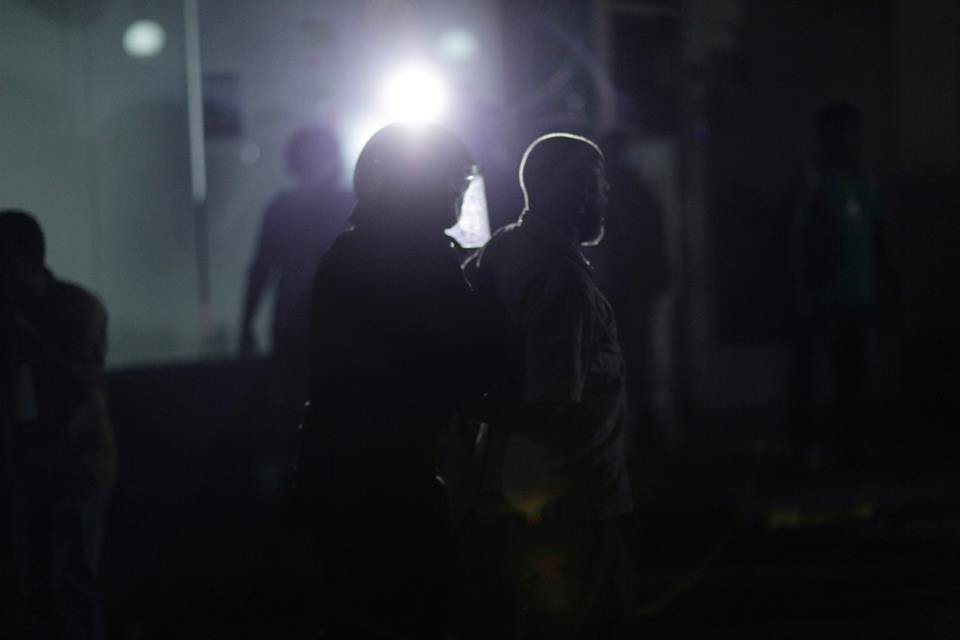
Irate police officers once again charged into the crowd, and trapped dozens of protesters in narrow blocked-off lanes and made indiscriminate arrests.

May Day

Hundreds of angry protesters remained in pockets, rallying around opposition leaders periodically, but dispersing when groups of police officers charged into the crowd. A Raajje TV cameraman was injured.

11204996_10153316780245917_5133860919210699399_n

Some protesters took refuge in private homes. But police officers forcefully entered homes and indiscriminately pepper sprayed residents. Security forces and protesters hurled profanities at each other. A dozen officers also entered a building on Majeedhee Magu and took down a pair of megaphones.

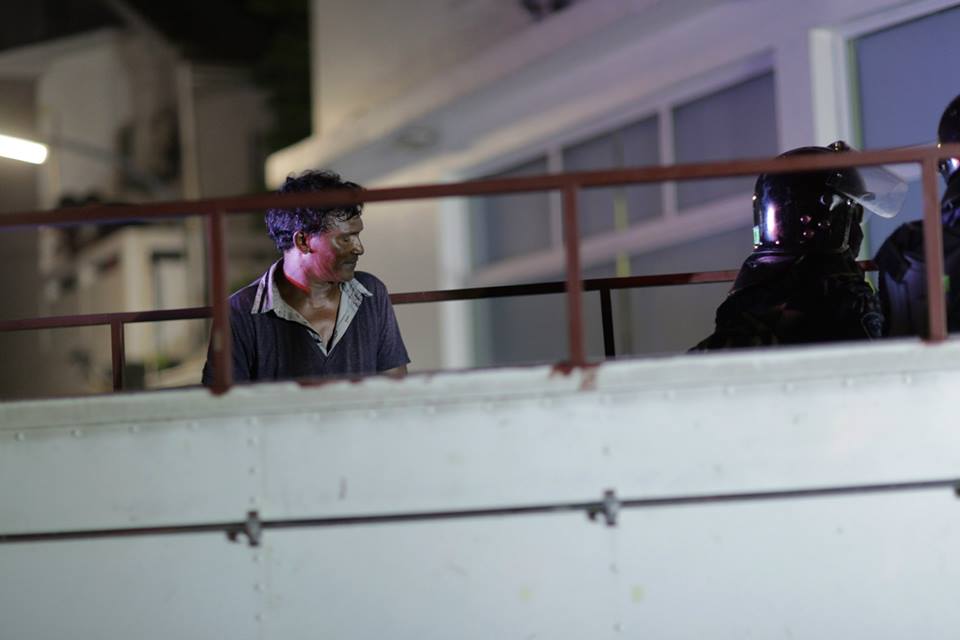
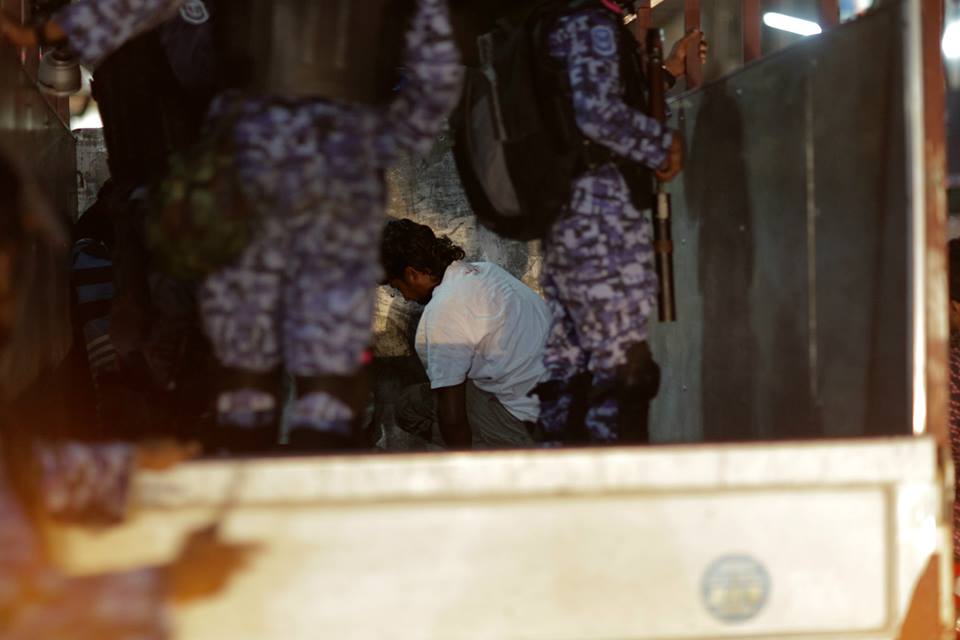
Police stepped up arrests at 9pm, picking up people at random, packing them onto lorries and driving off at high speed. Easa who had helped the fallen police officer was arrested and taken onto a police lorry. He was surrounded by Specialist Operations officers and Minivan News journalists heard him scream repeatedly in pain.

11143114_10153316780320917_2473714762025109185_n

At 11pm came the news that Sheikh Imran had been arrested from Ali Waheed’s apartment. Small scale confrontations continued on the streets, but the crowds dwindled as police continued indiscriminate arrests. Many who were arrested were driven to a different location in the city and released with warnings.

By 1am, the crowds had largely dispersed, but police presence remained high. By 2pm, the roads were nearly empty. Ali Waheed and JP’s Ameen Ibrahim were arrested by 3pm.

Photos by Shaari, Dhahau Naseem and Ahmed ‘Anju’ Azim.

Likes(1)Dislikes(0)

Journalists facing danger, says human rights watchdog

Journalists in the Maldives face many challenges, dangers, and loss of freedom due to their role or expression of views, the state human rights watchdog has said.

The Human Rights Commission of Maldives (HRCM) observed that the Maldives fell four ranks in the Reporters Without Borders’ press freedom index for 2015 to 112th place.

“The commission has previously noted that Maldivian journalists face death threats and intimidation and that the Maldivian state has to work to establish an environment where journalists can operate freely,” the commission said in a statement issued today on the occasion of World Press Freedom Day.

Journalists should be able to report information on issues of concern “truthfully, sincerely, and without fear”.

The commission urged the media to act responsibly and respect basic rights and societal norms in providing information.

Journalists should take special care when reporting on issues involving persons with special needs, children, and vulnerable groups, the commission advised.

The commission called on all state institutions to ensure a safe environment for reporting and provide information with ease.

In a tweet with the World Press Day hashtag, Vice president Dr Mohamed Jameel meanwhile said today that “we must applaud the role of journalists & free press in establishing a fair democratic society.”

Likes(1)Dislikes(0)

Two arrested for assaulting police officer during protest

Two men have been arrested for assaulting a Specialist Operation (SO) police officer during the May Day opposition protest on Friday.

The first suspect was taken into custody on Friday night while the second suspect was arrested with a court warrant yesterday, reports online news outlet CNM.

CNM identified the suspects as Abdulla Rasheed, 49, from Galolhu Keema in Malé, and Moosa Sharmeel, 35, from the Malé special registry.

Police had appealed for public assistance in identifying and locating suspects seen in video footage.

The police officer, identified as corporal Ismail Basheer, was flown to Sri Lanka for further treatment. However, officials from the Indira Gandhi Memorial Hospital had said the injuries were not severe.

Police have since posted a second video of the assault. Eyewitnesses told Minivan News that several protesters, including former opposition MP Ahmed Easa, protected the fallen police officer, helped him to his feet, and took him back behind police lines.

Likes(1)Dislikes(0)

Government fines shops with foreign cashiers

The economic development ministry has fined 22 businesses for employing foreigners as cashiers against new rules enforced on April 1, reports Haveeru.

Deputy minister Adam Thowfeek told the local daily that the ministry inspected 295 shops, cafés, and restaurants in Malé and found 49 with foreigners working as cashiers.

The ministry has imposed a fine of MVR2,000 (US$130) on 22 establishments.

Thowfeek said the ministry will check businesses in other islands through councils and warned that operating licenses could be revoked for repeated violations.

The government banned foreigners working as cashiers in in an attempt to boost employment among local young people. Some 26.5 per cent of Maldivians aged 15 to 24 are unemployed, according to World Bank figures from 2013, the most recent figures available.

Likes(1)Dislikes(0)

Government dismisses US secretary of state’s comments as ‘personal views’

The government has dismissed US Secretary of State John Kerry’s comments over threats to democracy in the Maldives as his personal views.

Speaking to Haveeru, acting foreign minister Mohamed ‘Mundhu’ Hussain Shareef said the US government had not officially shared the concerns with the government and insisted Kerry’s remarks were his own opinion.

“We have strong relations with America,” he was quoted as saying by Haveeru.

Kerry’s comments came after clashes erupted between protesters and police following a historic antigovernment protest on Friday. Nearly 200 protesters were arrested.

“We’ve seen even now how regrettably there are troubling signs that democracy is under threat in the Maldives where the former president Nasheed has been imprisoned without due process,” Kerry told the press in Sri Lanka on Saturday.

“This is an injustice that needs to be addressed soon.”

Shareef was unavailable for comment today.

The president’s office spokesperson Ibrahim Muaz also declined to comment.

Nasheed is serving a 13 year jail term on terrorism charges. The trial was widely criticised by foreign governments, international bodies and human rights groups.

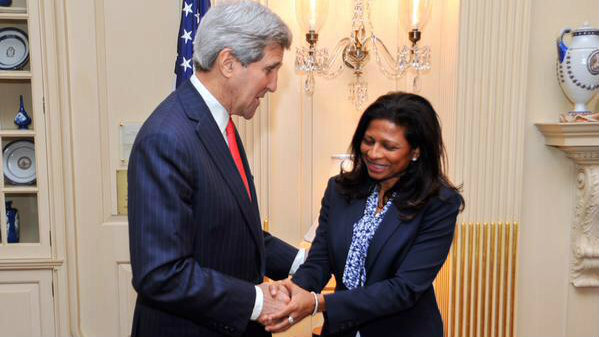
Kerry had met with Nasheed’s wife, Laila Ali in Washington before his visit to Sri Lanka.

Nasheed’s international lawyers have asked the UN working group on arbitrary detention to rule the opposition leader’s arrest arbitrary and illegal.

Nasheed’s arrest on february 22 sparked daily protests across the country. The Jumhooree Party and the Adhaalath Party split from the ruling coalition and allied with Nasheed’s Maldivian Democratic Party over increased authoritarian tactics by the government.

Approximately 20,000 protesters took to the streets on Friday against the government’s ‘tyranny.’ The march is the largest antigovernment action in the past decade. Clashes erupted when protesters attempted to enter the city’s main Republic square at dusk.

Police used stun grenades, thunder flashes, tear gas and pepper spray to disperse the crowds and confrontations continued into the early hours. Scores were injured, 193 people arrested and two policemen severely beaten by protesters.

Later that night, police arrested Adhaalath Party president Sheikh Imran Abdulla, deputy leader of JP Ameen Ibrahim and MDP chairperson Ali Waheed.

The police have said the opposition must give prior notice before holding a protest.

Meanwhile the UN human rights office on Friday said Nasheed’s trial was “vastly unfair, arbitrary and disproportionate.”

Briefing the press in Geneva, Mona Rishmawi, who heads the office on rule of law, equality and non-discrimination, said Nasheed’s 19-day trial was politically motivated and was reached by judges wielding “incredible discretionary powers.”

The European parliament has also passed a resolution urging the government to release Nasheed immediately.

However, the government remains defiant, with the foreign minister saying President Abdulla Yameen’s government will not comply with demands from foreign governments to “meddle” in judicial affairs and release a convict.

In an interview with state broadcaster TVM, Dunya Maumoon said the Maldives would become “enslaved” and lose its independence if the government accepted such demands.

Foreign governments do not wish well for the Maldives, she continued and called on the public to protect the country’s institutions, independence and sovereignty.

Likes(4)Dislikes(0)

New public media company is ‘a state mouthpiece’

The International Federation of Journalists (IFJ) has condemned the new public service media law as an attack on press freedom with the creation of a “state mouthpiece.”

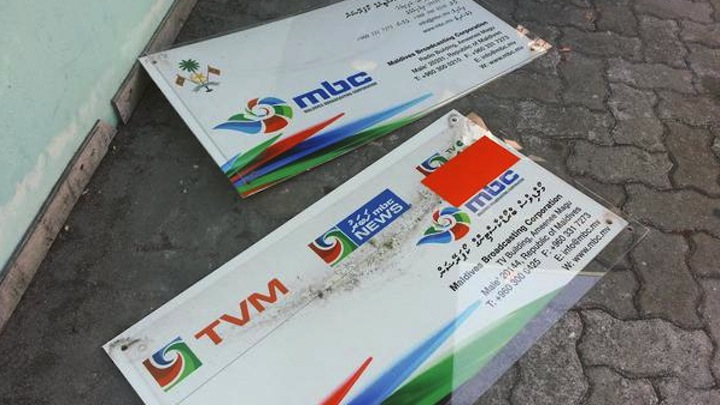
The Maldives Broadcasting Corporation, which operated the state television and radio stations, was dissolved last week after President Abdulla Yameen ratified the Public Service Media Act, which replaced the state-owned corporation with a new state media company.

“The Maldivian media have faced a number of challenges from the government in recent months and this Act is another attempt by the Yameen government to control critics,” the IFJ said in a statement.

“The concept of the public broadcaster is to ensure balanced and ethical reporting in the public interest, however with the government controlling this, it will only serve as a propaganda tool.”

The IFJ’s local affiliate, the Maldives Journalist Association (MJA), said the law is “not in line with best practices and fundamentals of a public service broadcasting or media” and accused the government of seizing control of public service broadcasting.

“MJA believes the Maldives has gone back to the 80s and we condemn the controlling of media, especially the removal of public service broadcasting in the country,” the association said.

The pro-government majority parliament passed public service media (PSM) bill on Monday amidst protests by opposition MPs and approved the president’s seven nominees to the PSM governing board on Thursday without conducting interviews.

At the first meeting of the public service media governing board, Ibrahim Umar Manik was elected chairperson and former VTV CEO Ibrahim Khaleel was made managing director.

Manik told Minivan News last week that the law was a “positive move” that will improve the public broadcaster. Manik was also chairman of the Maldives Broadcasting Corporation’s board.

“We were not influenced before and I am very confident that we will not be influenced by the government in the future as well,” he said.

Ibrahim Hilmy was meanwhile elected vice chairperson of PSM and former VTV presenter Mohamed Ikram and Aminath Shayan Shahid were appointed deputy managing directors.

During last week’s parliamentary debate, ruling party MP Riyaz Rasheed said one of the reasons the government had to form a new state media company was because the previous state broadcaster provided live coverage of an underwater protest calling for the release of ex-president Mohamed Nasheed.

However, TVM had not covered the event.

Riyaz also criticised the state broadcaster for not providing enough coverage of the government’s development projects, the president’s overseas trips, and state ceremonies.

Government officials were only invited to programmes because opposition politicians were refusing to appear, he claimed.

The new law also requires the state to distribute a printed daily newspaper and use social media to disseminate programmes.

The PSM board said in a statement on Thursday that Television Maldives (TVM) and the radio station Dhivehi Raajjege Adu will retain its brand names until the board decides otherwise.

The state broadcaster will also follow the former corporation’s policies until new policies are formulated, it added.

Parliament approved a monthly salary of MVR25,000 for the managing director in addition to an MVR15,000 living allowance and an MVR1,000 phone allowance. The chairperson and vice chairperson will receive MVR15,000 and MVR13,000, respectively, as living allowance, while other members will receive MVR10,000.

Likes(1)Dislikes(1)